

Winterizing Your Boat Before Off-Season Storage in Burnet, TX
Winterizing Your Boat Before Off-Season Storage in Burnet, TX
Habib Ahsan
June 23rd, 2026
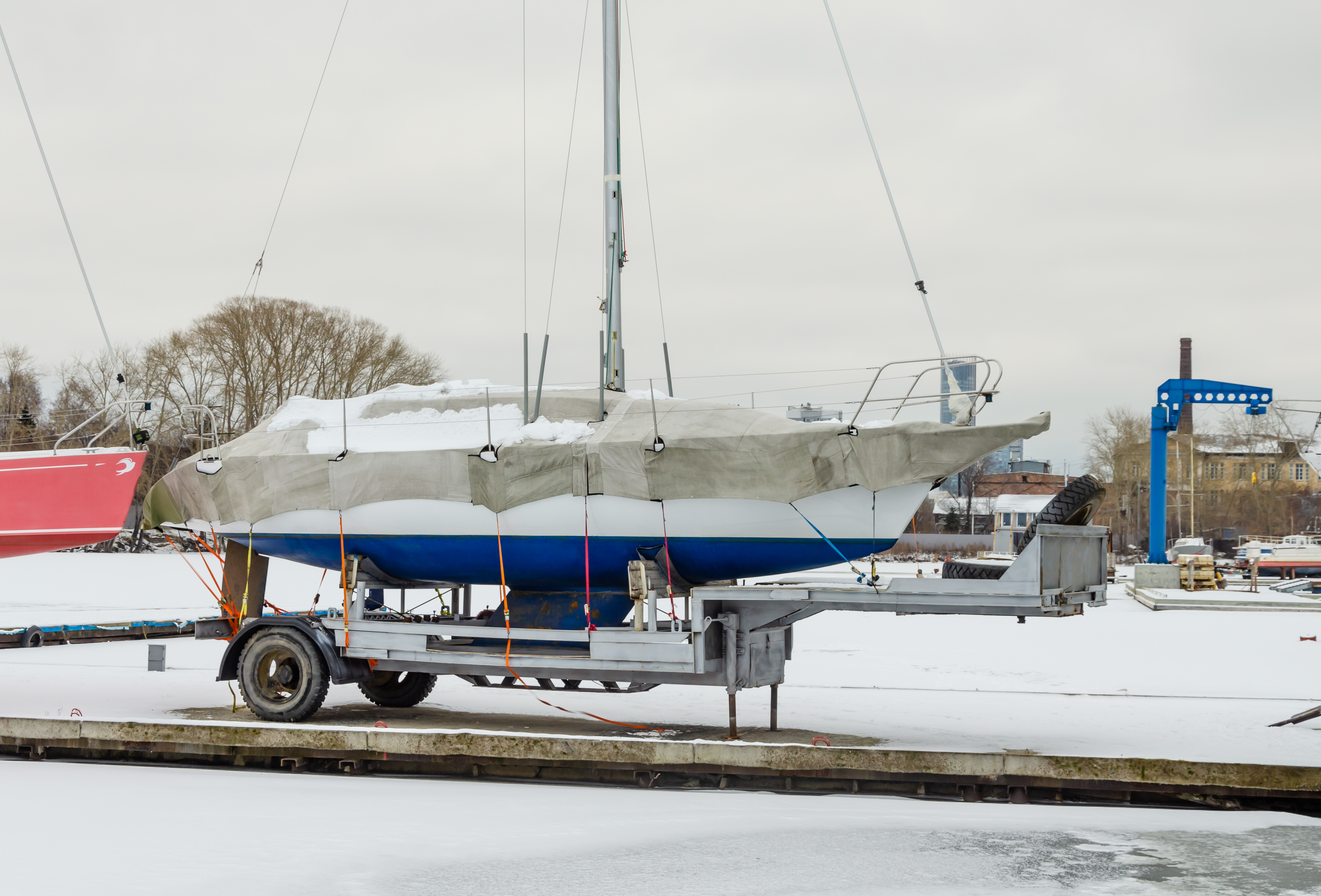
Winterizing your boat before off-season storage in Burnet is the most impactful maintenance step in the Highland Lakes boating calendar and one of the most frequently skipped. The reasoning behind skipping it is usually the same: Central Texas winters are mild, the boat will be out of the water for only a few months, and nothing serious can happen in that time. The reality that most Burnet County boat owners learn the hard way is that even a mild Texas winter creates the conditions for expensive engine, fuel system, and hull damage in a boat that was not properly prepared before storage.
This guide walks through every winterization step that matters for boats stored near Burnet, Bertram, Marble Falls, Llano, and Kingsland — covering what to do, why each step matters, and how to sequence the process before the boat goes into storage for the off-season.
Engine System Winterization — The Steps That Protect the Most
Cooling System Flush and Antifreeze
The cooling system is the most critical winterization priority for any inboard or stern-drive engine. Water left in the cooling passages during a freeze event expands as it freezes, cracking engine blocks, heat exchangers, and raw water pump housings in ways that are expensive and sometimes not repairable. Even in Burnet County, where hard freezes are infrequent, the temperature history of the past several winters makes cooling system protection a sound investment.
For outboard engines, the process is simpler — flush with clean fresh water to remove any salt, mineral, or biological residue, run the engine for two to three minutes to clear the passages, and the cooling system is adequately prepared for a Central Texas winter. For inboard and stern-drive systems, flush with fresh water and then run antifreeze rated for the expected temperature range through the system per the manufacturer's specification.
Engine Oil Change
Changing the engine oil before storage — not after — is one of the most important and most overlooked winterization steps for Highland Lakes boat owners. Used engine oil contains combustion byproducts, acids, and moisture that, left in contact with engine internals across a storage season, cause corrosion on cylinder walls, bearing surfaces, and valve components. Fresh oil entering storage means clean, protective lubrication sitting against those surfaces rather than acidic used oil.
Check and top off gear oil in the lower unit at the same time. Lower unit oil that has been contaminated with water — visible as a milky or gray appearance rather than the standard amber color — indicates a failed seal that should be addressed before the boat goes into winter storage, rather than after it comes out in spring.
Fuel System Winterization — Preventing the Most Common Spring Problem
Fuel degradation is responsible for more boat storage problems than any other single factor. Modern E10 gasoline — the ethanol-blended fuel sold at most Texas marinas and gas stations — begins to degrade in as little as 30 days. Over a storage period of three to six months, untreated fuel breaks down into varnish and gum deposits that coat carburetor jets, fuel injectors, and fuel line passages in ways that cause hard starts, rough running, and engine damage when the boat is put back in service.
The winterization process for the fuel system follows the same logic covered in the fuel stabilizer guide: add a quality marine-grade stabilizer to a full tank, run the engine for five to ten minutes to circulate the treated fuel through the entire system, and park. A full tank minimizes the air space where condensation and moisture accumulation occur. Treated fuel resists degradation across a storage period of six months or more when the correct stabilizer dosage is applied.
Battery Winterization — Keeping the Starting System Ready
A boat battery left connected during off-season storage loses charge through parasitic draw from bilge pumps, fish finders, navigation electronics, and other systems that draw small amounts of power even with the main switch off. A battery that discharges deeply during storage may not recover full capacity — and in some cases, deep discharge causes permanent plate damage that reduces the battery's effective life significantly.
Here is the right approach for Burnet County off-season storage:
- Disconnect the negative terminal if the boat will sit without access for extended periods — this eliminates parasitic draw entirely
- Connect a quality battery maintainer if shore power is accessible at the storage unit — a maintainer keeps the charge topped off without the overcharging risk of a standard trickle charger
- Test the battery's state of health before storage — any battery showing less than 12.4 volts at rest or failing a load test should be replaced before storage, rather than after
- Check battery terminals for corrosion and apply dielectric grease after cleaning — corrosion at terminals causes resistance that reduces starting power even when the battery is otherwise healthy
Hull and Exterior Winterization
Hull Inspection and Cleaning
The hull should be inspected, cleaned, and treated before going into off-season storage near Burnet. Clean the hull thoroughly to remove algae, mineral deposits, and any biological growth that accumulated during the season — these materials continue to affect the hull surface during storage if left in place. Inspect the gel coat for any chips, cracks, or areas of oxidation that should be addressed before the off-season rather than after, when spring prep time is already compressed.
Apply a quality marine wax or hull protectant to the exterior before storage. This creates a protective barrier between the gel coat and the UV radiation, moisture, and temperature cycling that occur during the storage period — even for a boat in covered storage.
Upholstery, Canvas, and Interior
Vinyl upholstery treated with a UV protectant before storage resists the cracking and brittleness that occur when vinyl is left untreated through temperature cycling. Clean the interior thoroughly to remove any food residue, bait, or organic material that would attract rodents during storage — a particularly relevant concern for boats stored near Burnet County's rural landscape, where rodent activity in stored vehicles is common.
Canvas covers — bimini tops, cockpit covers, and bow covers — should be dry before storage to prevent mildew growth during the off-season. Store in a dry, clean configuration rather than folded wet, which creates mildew within days regardless of the storage environment.
How Storage Facility Choice Affects Winterization Outcomes
A properly winterized boat in a quality storage environment comes out of the off-season ready to use. A properly winterized boat in a poor storage environment — direct sun, open lot exposure, temperature extremes — experiences stress on every system that the winterization process was designed to protect. The two elements work together.
Lone Star Boat and RV Storage near Bertram and Burnet offers drive-up unit access that makes performing winterization at the storage unit practical — you can work on the boat in your space rather than in a driveway before driving to storage. The free RV dump station handles end-of-season waste management. A free air compressor is available for trailer tires. Covered and enclosed units reduce the environmental stress that winterized systems experience across the off-season.
New tenants receive 50% off their second and third months. Reserve your covered or enclosed unit for the off-season on the Burnet boat storage reservations page. To compare all three Hill Country locations, visit the Lone Star RV and boat storage page. Questions about unit sizing or covered options? Reach the team through the contact page — a local person from Burnet County will get back to you.
Categories