

Tire Rotation and Flat-Spot Prevention for Long-Term RV Storage
Tire Rotation and Flat-Spot Prevention for Long-Term RV Storage
Habib Ahsan
April 10th, 2026
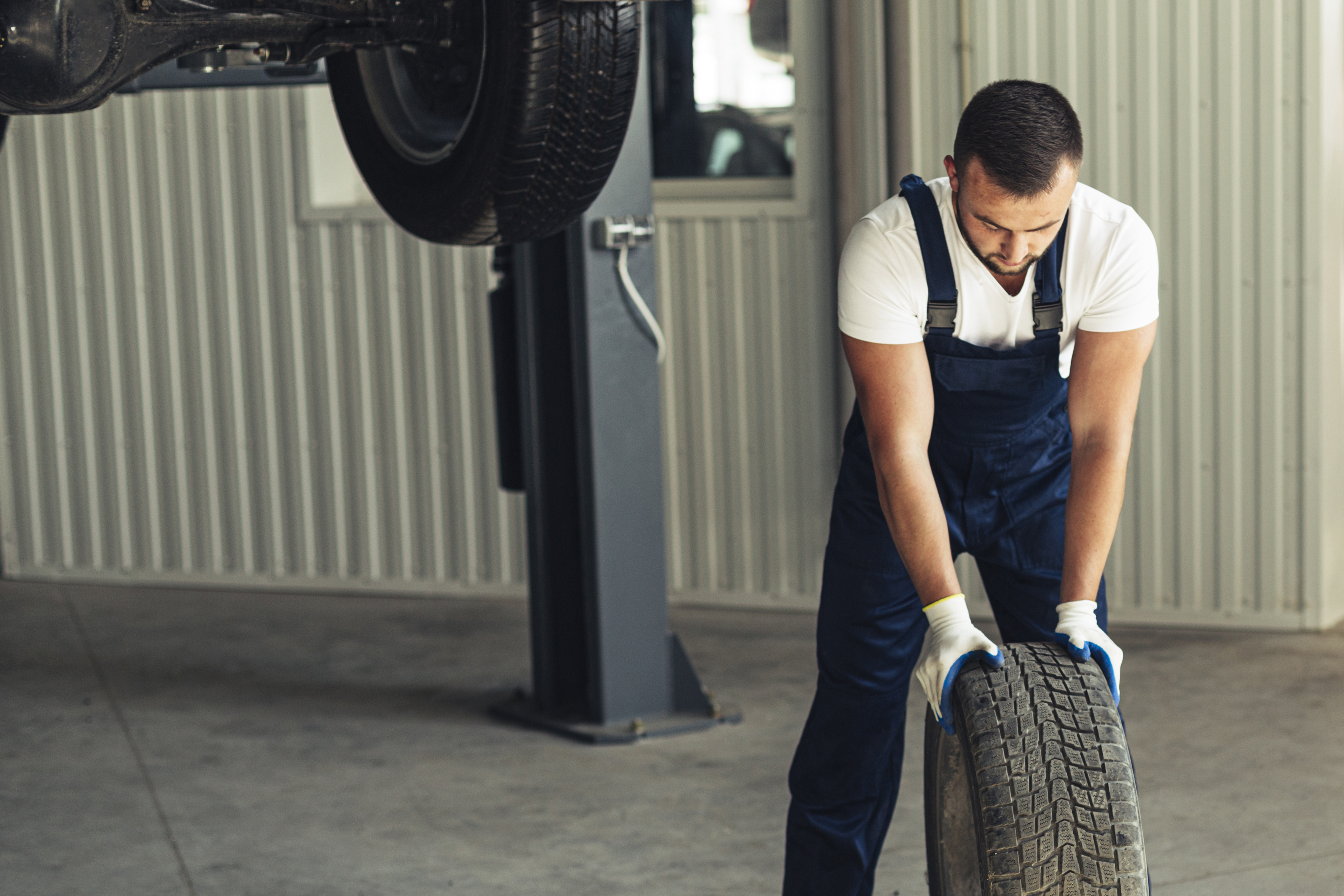
When your RV sits for weeks or months, your tires take the full weight of the vehicle in one position. Over time, this can lead to:
- Flat spots
- Cracking in the sidewalls
- Uneven wear
Tires are expensive to replace—and failures can ruin a trip before it starts. The good news: most of this damage is preventable with simple steps.
What Flat Spots Are and Why They Happen
Flat spots form when one section of the tire stays pressed against the ground for too long.
Types of Flat Spots
- Temporary flat spots
Common after short storage
Usually smooth out after driving
- Permanent flat spots
Caused by long-term pressure
Lead to vibration and uneven driving
Main Causes
- RV weight sitting in one place
- Low tire pressure
- Heat and weather changes
- Parking on soft or uneven ground
How Long-Term Storage Affects RV Tires
Constant Weight Pressure
RVs are heavy. Even smaller ones put a lot of pressure on each tire.
- Weight doesn’t shift when parked
- Certain tire areas take more stress than others
Exposure to the Elements
- Sun dries out rubber
- Heat makes tires stiff
- Moisture can lead to damage over time
This combination speeds up wear—even when you’re not driving.
How to Prevent Flat Spots (Step-by-Step)
1. Keep Tires Properly Inflated
- Inflate to the recommended PSI before storage
- Check pressure monthly
- Avoid low pressure—it increases tire stress
2. Move Your RV Regularly
- Move it every 2–4 weeks
- Roll it forward or backward a few feet
- This shifts the weight to a different part of the tire
3. Use Tire Covers
- Protects tires from sun exposure
- Helps prevent cracking and drying
Choose covers that fit properly and stay in place.
4. Use Tire Pads or Leveling Blocks
- Place under each tire
- Helps spread weight more evenly
- Reduces pressure on one contact point
5. Park on the Right Surface
Best options:
- Concrete
- Asphalt
If you must park on dirt or grass:
- Use boards or pads under tires
This prevents moisture damage and uneven settling.
6. Reduce Unnecessary Weight
- Empty water tanks
- Remove heavy items if possible
Less weight = less stress on your tires.
Tire Rotation: When It Helps
Tire rotation isn’t just for regular driving—it matters for storage too.
When to Rotate
- Before long-term storage
- After extended storage
- If you notice uneven wear
Why It Helps
- Distributes wear evenly
- Extends tire lifespan
- Improves performance when you get back on the road
For larger RVs, professional rotation is often the safest option.
Signs Your Tires May Already Have Flat Spots
While Driving
- Vibration or shaking
- Thumping sound at low speeds
Visual Signs
- Slightly flattened sections
- Uneven tread wear
What to Do
- Drive short distances to see if it improves
- If not, have tires inspected
- Replace if damage is permanent
How Storage Conditions Affect Your Tires
Where you store your RV makes a big difference.
Covered vs. Uncovered Storage
- Covered storage
Less sun exposure
Lower heat buildup
- Uncovered storageHigher risk of cracking and wear
Why Facility Quality Matters
- Level surfaces reduce tire stress
- Clean, maintained areas prevent damage
- Secure locations reduce overall risk
Better storage conditions = less tire damage over time.
Common Mistakes to Avoid
Many RV owners make these simple mistakes:
- Leaving tires underinflated
- Not moving the RV for months
- Parking directly on dirt or grass
- Skipping tire covers
- Storing the RV fully loaded
Avoiding these can significantly extend tire life.
Expert Tips for Long-Term Tire Protection
- Check tires even when not in use
- Combine multiple methods:Inflation + movement + covers
- Inspect before and after storage periods
- Choose a storage location that protects against sun and weather
Consistency is key—small actions make a big difference.
Final Thoughts: Protect Your RV from the Ground Up
Your tires support your entire RV. Ignoring them during storage can lead to:
- Costly replacements
- Unsafe driving conditions
- Trip delays
With a few simple steps, you can:
- Prevent flat spots
- Extend tire life
- Keep your RV ready for the road
Categories