

Spring Boat Storage Checklist: Get Your Vessel Ready for Texas Waters
Spring Boat Storage Checklist: Get Your Vessel Ready for Texas Waters
Habib Ahsan
April 8th, 2026
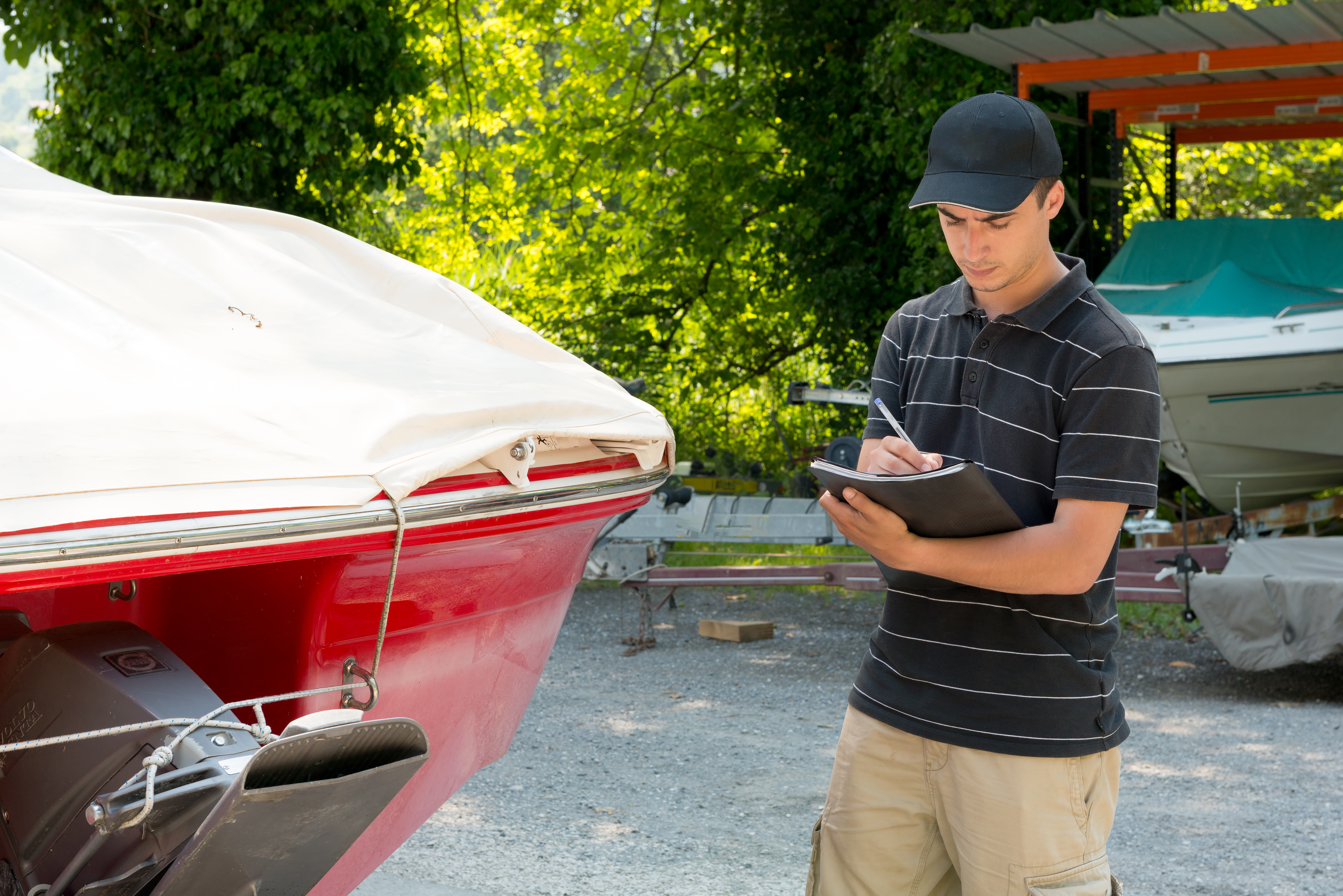
Spring in Texas means one thing boating season is back. But it also brings harsh sun, sudden storms, and changing water conditions. If your boat has been sitting in storage, skipping preparation can lead to:
- Engine problems on launch day
- Safety risks on the water
- Expensive repairs mid-season
A simple, structured check now saves time, money, and stress later.
Step 1: Inspect Your Boat After Storage
Start with a full visual check before doing anything else.
Check the Exterior
Look closely at:
- Hull for cracks, chips, or fading
- Surface for oxidation or dull spots
- Trim and edges for looseness
Look for Storage Issues
Storage can cause hidden problems:
- Pest nests or chewed wires
- Mold or mildew buildup
- Damage from a loose or worn cover
If something looks off, fix it now—not at the ramp.
Step 2: Clean and Protect the Exterior
A clean boat is easier to inspect and performs better.
Clean Thoroughly
- Wash with marine-safe soap
- Remove dirt, algae, and residue
- Clean glass for clear visibility
Add Protection
- Apply wax to protect against strong Texas sun
- Treat seats and vinyl to prevent cracking
This step helps extend the life of your boat through the season.
Step 3: Check Engine and Fuel System
This is where most launch-day problems happen.
Engine Basics
- Look for loose parts, corrosion, or worn hoses
- Start the engine if possible
- Listen for unusual sounds
Fuel System
- Check fuel lines for cracks
- Replace old or stale fuel if needed
- Inspect or change the fuel filter
A few minutes here can prevent being stranded later.
Step 4: Test Battery and Electrical Systems
Power issues are common after storage.
Battery Check
- Fully charge the battery
- Replace it if it struggles to hold charge
Electrical Test
Make sure everything works:
- Navigation lights
- Dashboard gauges
- Bilge pump
If something fails now, it’s easy to fix before launch.
Step 5: Inspect Safety Equipment (Do Not Skip)
This is one of the most important steps.
Required Gear
- Life jackets:Enough for every passenger No tears or damage
- Fire extinguisher:Fully charged Easy to access
Emergency Equipment
- Test horn or sound device
- Check lights and signaling tools
- Replace anything expired
Skipping this step can turn a small issue into a serious problem.
Step 6: Check Your Trailer
Your boat is only as safe as your trailer.
Tires and Wheels
- Check pressure
- Look for cracks or worn tread
Trailer Systems
- Test brake lights and signals
- Inspect brakes if equipped
- Grease wheel bearings if needed
Hitch and Connection
- Secure hitch properly
- Attach safety chains correctly
This step ensures you get to the water safely.
Step 7: Confirm Registration and Documents
Don’t get delayed at the water.
Check Status
- Make sure registration is current
- Verify decals are valid and visible
Keep Documents Ready
- Registration papers
- Insurance information
Store them in a waterproof container onboard.
Step 8: Inspect Interior and Water Systems
Small issues inside the boat can become big problems.
Interior Check
- Look for mold or moisture
- Inspect seats and storage compartments
Water System (if applicable)
- Flush tanks and lines
- Check for leaks or pressure issues
Step 9: Do a Test Run Before Launch Day
Never make your first run at the boat ramp.
Engine Test
- Run engine with water supply if possible
- Check cooling system
- Ensure smooth throttle response
System Check
- Confirm all systems work together
- Watch for warning signs
This step builds confidence before your first trip.
Why Proper Storage Makes This Easier
Where you store your boat affects everything above.
Benefits of Quality Storage
- Less sun damage
- Reduced risk of pests
- Lower chance of mold or moisture issues
Long-Term Impact
- Faster spring prep
- Fewer repairs
- Better overall condition
Good storage reduces the work you have to do each season.
Common Mistakes to Avoid
Even experienced boaters miss these:
- Skipping safety equipment checks
- Ignoring trailer condition
- Launching without testing systems
- Overlooking small cracks or leaks
These mistakes often lead to bigger issues later.
Expert Tips for Texas Boaters
- Start early before peak season
- Handle small fixes immediately
- Don’t wait until launch day to test systems
- Store your boat in a secure location to reduce future prep time
Final Thoughts: Get on the Water with Confidence
A smooth boating season starts before you ever leave storage. By following this checklist, you:
- Reduce risk
- Avoid delays
- Protect your investment
It doesn’t take long—but it makes a big difference.
Categories