

RV Organization Inside Storage: How to Pack Before You Park
RV Organization Inside Storage: How to Pack Before You Park
Habib Ahsan
March 31st, 2026
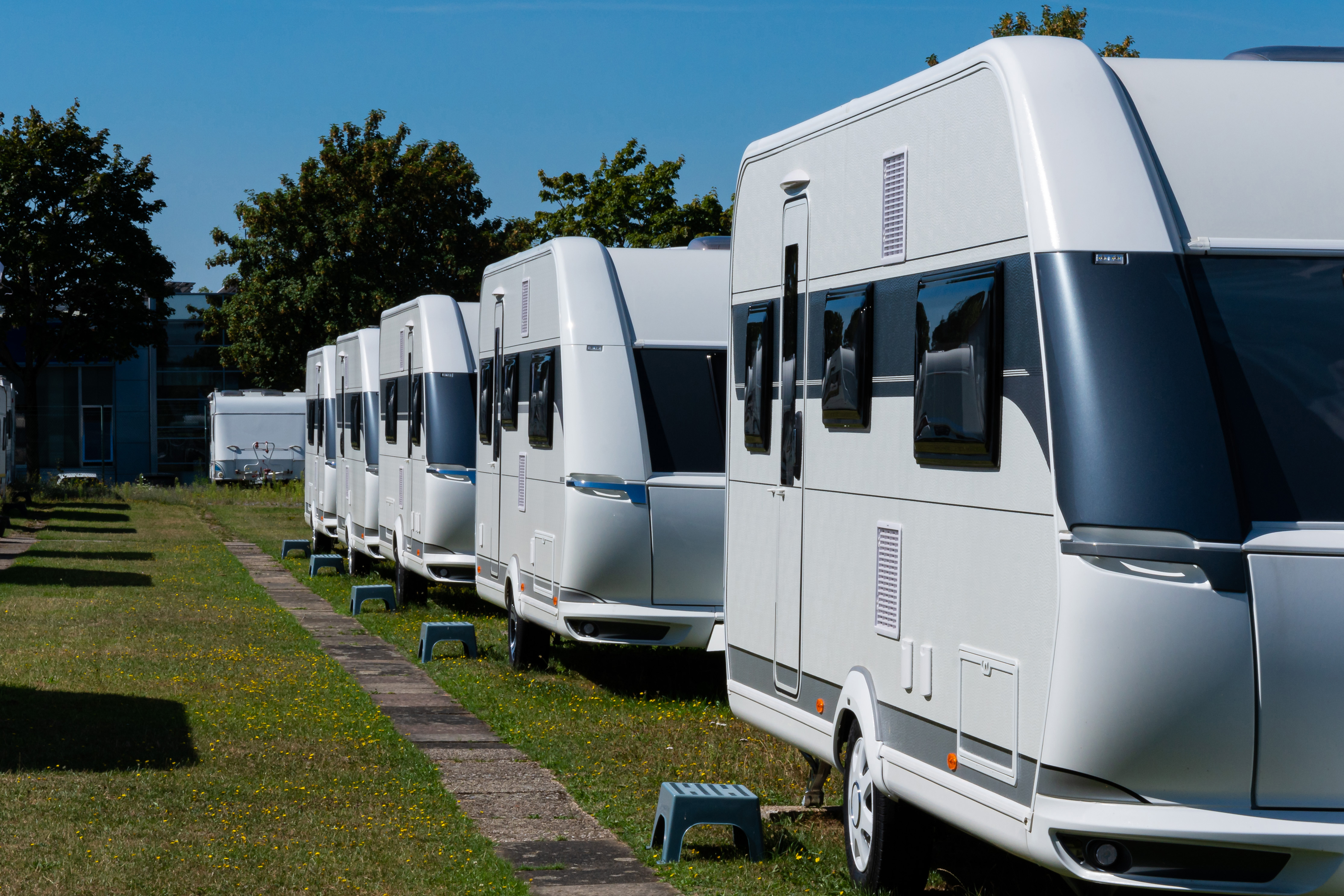
Storing your RV isn’t just about parking it—it’s about setting yourself up for an easy return. The way you organize your RV before storage directly affects how quickly you can hit the road again. A few simple steps can save hours later, prevent damage, and keep your RV in better condition during storage. This guide walks through exactly how to pack and organize your RV before you park it.
Why Interior Organization Matters Before Storage
Many RV owners focus on exterior prep but overlook the inside. That’s where most problems start. Common issues include:
- forgotten food causing odors
- cluttered cabinets making setup slow
- missing items needed for your next trip
- batteries draining or leaking
A well-organized RV means:
- faster trip prep
- fewer surprises
- better long-term condition
Step 1: Empty, Clean, and Reset the RV
Start with a clean slate before organizing anything.
Remove All Perishables
Go through every storage area carefully. Check:
- pantry shelves
- refrigerator and freezer
- under-seat storage
- cabinets and drawers
Remove all food items, even sealed ones. Heat can cause spoilage or attract pests.
Clean Key Areas
Focus on the spaces that get the most use.
- wipe down kitchen surfaces
- clean the sink and stove
- sanitize the bathroom
- vacuum floors and upholstery
Make sure everything is dry before closing up.
Prevent Odors
To keep the interior fresh:
- place baking soda or odor absorbers in the fridge and cabinets
- leave the refrigerator door slightly open
- avoid sealing moisture inside the RV
This helps prevent musty smells during storage.
Step 2: Create a “Trip-Ready” Packing System
The goal is to make your RV ready to use with minimal effort.
Group Items by Use
Organize items based on how you use them. Examples:
- kitchen supplies together
- camping gear in one area
- maintenance tools grouped separately
This avoids searching through multiple cabinets later.
Use Labeled Storage Bins
Bins make a big difference. Best practices include:
- use clear containers when possible
- label each bin clearly
- stack items neatly to save space
Labeling helps you find what you need quickly.
Keep a Ready-to-Go Kit
Create one small kit with essentials. Include:
- flashlight
- gloves
- paper towels
- basic tools
Store it near the entry so it’s easy to grab when you arrive.
Step 3: Secure Everything for Storage
Items can shift during transport or while parked.
Prevent Movement Inside Cabinets
To keep items in place:
- use non-slip liners
- install simple tension rods
- make sure all cabinet latches are secure
This prevents items from falling or breaking.
Remove Heat-Sensitive Items
In Texas heat, some items shouldn’t be left inside. Remove:
- candles or wax products
- electronics
- aerosol cans
- certain plastics
These can melt or become damaged over time.
Manage Liquids
Liquids can leak or expand. Helpful steps:
- empty unnecessary liquids
- tightly seal containers
- store upright when possible
This prevents messes and damage.
Step 4: Organize for Quick Access
Set up your RV so the most important items are easy to reach.
Entry Area
Keep essentials near the door. Include:
- keys
- cleaning wipes
- hand sanitizer
- small tools
This saves time when you first arrive.
Kitchen Setup
Prepare for your first meal.
- keep basic cooking tools together
- store one clean towel set
- organize utensils in one place
This helps you get started quickly after pickup.
Utility Items
Keep setup gear easy to access. Group together:
- power cords
- water hoses
- adapters
Store them in one labeled bin for fast setup.
Step 5: Keep a Simple Inventory
Knowing what’s inside your RV saves time.
Create a Basic List
Track:
- what’s stored
- where items are located
- what needs to be restocked
A simple note on your phone works well.
Use a Pre-Trip Checklist
Before your next trip, check:
- items removed before storage
- items to reload (food, clothing, personal items)
This prevents forgetting essentials.
Take Photos for Reference
Quick photos of cabinets and storage areas help you remember how things were organized.
Step 6: Prepare RV Systems Before Storage
Beyond organization, your RV systems need attention.
Electrical System
- turn off unnecessary power
- disconnect or maintain the battery
- remove small device batteries
This prevents battery issues.
Water System
- drain tanks
- empty water lines if needed
- release pressure from faucets
This helps avoid damage and buildup.
Ventilation
- close blinds to reduce heat
- slightly open vents if safe
- use moisture absorbers
This improves airflow and reduces humidity.
Step 7: Organize Exterior Storage Compartments
Exterior compartments should be just as organized.
Group by Function
Examples:
- water equipment in one bin
- electrical items in another
- leveling tools together
This makes setup faster at campsites.
Keep Items Secure
- use bins instead of loose items
- keep equipment off the floor
- lock compartments properly
Organization prevents shifting and damage.
Step 8: Choose the Right Storage Setup
Where you store your RV also affects how well it stays organized.
Storage Type Matters
- Open storage: requires removing all heat-sensitive items
- Covered storage: helps reduce sun exposure
- Enclosed storage: offers protection but can still trap heat
Choose based on your needs and how long you plan to store.
Accessibility Matters
Look for:
- wide aisles for easy parking
- space to move around your RV
- convenient entry and exit
Many RV owners prefer storage near Liberty Hill for easier access before trips.
Step 9: Final Parking Checklist
Before leaving your RV in storage, do one last walkthrough. Check:
- all cabinets and drawers are secured
- refrigerator is empty and open
- power is turned off
- doors and compartments are locked
A final check prevents common issues.
Common Mistakes to Avoid
Avoid these common problems:
- leaving food inside
- skipping organization
- not labeling storage bins
- forgetting to create a checklist
Small mistakes can create big inconveniences later.
Final Thoughts
Organizing your RV before storage doesn’t take long—but it makes a big difference. With a simple system in place, you can reduce setup time, prevent damage, and make every trip easier.
Categories