
PWC and Jet Ski Storage: What's Different From Storing a Full-Size Boat
PWC and Jet Ski Storage: What's Different From Storing a Full-Size Boat
Habib Ahsan
May 13th, 2026
Why PWC and Jet Ski Storage Is Its Own Conversation
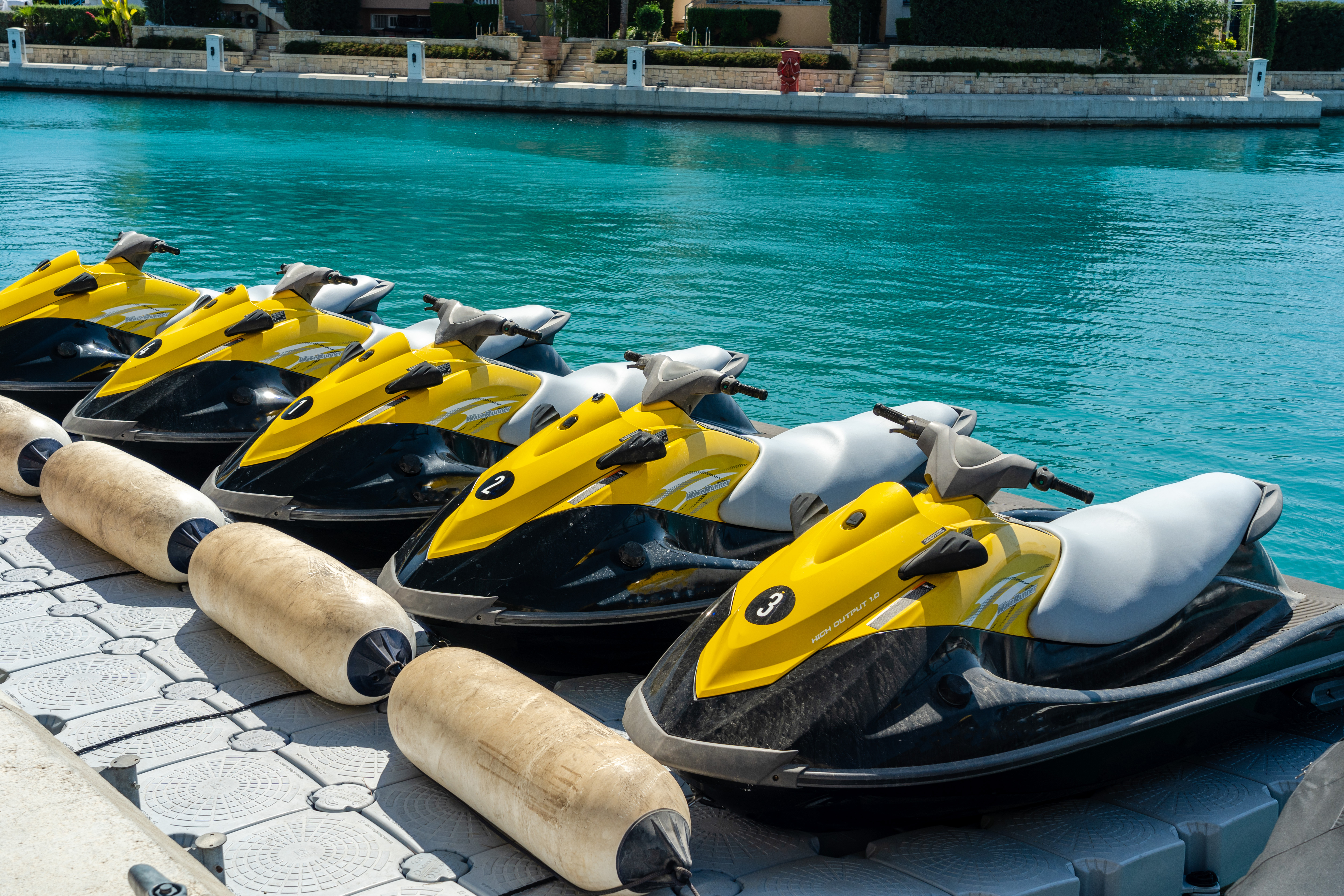
Most storage guides treat all watercraft the same — find a space, park the trailer, lock the gate. But PWC and jet ski storage has meaningful differences from boat storage that affect how well the vehicle holds up between uses, how easy it is to access on a busy weekend morning, and what level of protection actually makes sense for the investment. For owners in Liberty Hill, Georgetown, Leander, and Cedar Park heading to Canyon Lake with a personal watercraft, getting those details right matters. This guide covers the specific storage considerations that apply to jet skis and personal watercraft — and how they differ from what full-size boat owners typically need.
Size and Footprint — Smaller Vessel, Different Space Requirements
A personal watercraft on a trailer is significantly shorter and narrower than most trailered boats — typically running twelve to fourteen feet in length versus twenty feet or more for a midsize fishing or ski boat. That smaller footprint has practical implications for storage selection that work in the owner's favor on price but can create different problems if not accounted for correctly. A standard storage space sized for boats will fit a PWC with room to spare, but that extra space is not always helpful. A small trailer with significant clearance on all sides can shift position over time if the surface is uneven or if loading and unloading creates repetitive movement. Paved, level surfaces matter more for a lightweight PWC trailer than most owners expect — because there is less weight holding everything in place during extended storage periods.
UV and Weather Exposure — Where PWCs Are More Vulnerable
Hull and Gel Coat Sensitivity
Personal watercraft hulls are constructed from fiberglass with a gel coat finish that is similar in composition to a boat hull but generally thinner and more susceptible to UV fading and oxidation. The plastic body panels and trim pieces that cover the engine compartment and seat frame on most jet skis are also highly UV-sensitive — they fade, become brittle, and crack under sustained sun exposure faster than the comparable materials on a larger boat. In the Liberty Hill and Hill Country area, the UV intensity from spring through fall is sufficient to produce visible gel coat oxidation and plastic degradation on an unprotected PWC within one to two seasons of open-lot storage. Covered storage — a solid roof overhead without full enclosure — dramatically slows this degradation and is often the most cost-effective upgrade for a PWC owner who stores for more than a few months at a time.
Seat Material and Hatch Seal Vulnerability
The vinyl seat material on most personal watercraft is more exposed than boat upholstery — it sits at the highest point of the vehicle with no canopy or shade structure above it. Direct sun exposure through a storage season dries and cracks vinyl that would otherwise remain supple for years. A PWC seat in poor condition is one of the most visible cosmetic issues at resale and one of the most preventable with covered storage. Hatch seals around the engine compartment and storage areas are similarly vulnerable. These seals keep water out during use and debris out during storage — but UV exposure dries the rubber and reduces its effectiveness over time. Inspecting and conditioning these seals before and after storage periods is straightforward maintenance that covered storage makes less urgent by reducing the rate of degradation.
Trailer Considerations That Differ From Boat Trailers
PWC trailers are lighter, smaller, and often single-axle — which makes them easier to maneuver but also means they sit lower to the ground and are more affected by surface irregularities during storage. Here is what to evaluate when storing a jet ski on a trailer: • Surface levelness — a paved, level surface prevents the lightweight trailer from rocking or shifting over an extended storage period • Tire flat-spotting — a stationary trailer with correctly inflated tires on a paved surface is less susceptible to flat-spotting than one on gravel or uneven ground • Coupler protection — leaving the trailer coupler exposed during long storage periods allows moisture and debris to collect; a simple coupler cover costs a few dollars and prevents corrosion that affects hitch engagement • Wheel bearing maintenance — PWC trailers are frequently backed into water during use, which accelerates bearing wear; inspecting and repacking bearings before and after a storage season extends trailer life significantly
Security Considerations for Personal Watercraft
Jet skis and personal watercraft are high-value, compact, and relatively easy to move — which makes them attractive targets for opportunistic theft in a way that large boat trailers are not. A boat on a twenty-foot trailer requires a truck to tow and attracts attention during any removal attempt. A jet ski on a lightweight PWC trailer can be hitched and moved by almost any vehicle in a matter of minutes. This makes perimeter security — controlled gate access, active video surveillance, and LED lighting — more important for PWC owners than the vehicle's size alone might suggest. A storage facility with 24/7 keypad-gated entry and active surveillance provides a meaningful layer of protection that a padlock on an open lot simply cannot match, regardless of how small or how large the vehicle being stored.
What PWC Storage at Lone Star Looks Like in Practice
Lone Star Boat and RV Storage on State Highway 29 near Liberty Hill accommodates personal watercraft alongside boats and RVs — with the paved driveways, covered and enclosed unit options, drive-up access, and 24/7 keyless gate entry that make the storage experience practical for owners who use their watercraft regularly throughout the season. The free air compressor on-site is particularly useful for PWC owners — trailer tires on lightweight single-axle trailers lose pressure between uses, and topping off before every departure adds no time to a departure routine when the compressor is at the facility. Month-to-month leasing accommodates the concentrated lake season that most Hill Country PWC owners follow, and new tenants receive 50% off their second and third months.
Choosing the Right Setup for Your Jet Ski
PWC and jet ski storage in the Liberty Hill, Georgetown, Cedar Park, and Canyon Lake corridor does not require the same footprint as boat storage — but it does require the same attention to surface quality, UV protection, security, and access. Getting those details right before the first season prevents the cosmetic damage, security exposure, and access friction that make off-site storage feel like more trouble than it is worth. Browse available covered and enclosed units for personal watercraft storage on the Liberty Hill watercraft storage reservations page. To compare all three Hill Country locations, visit the Lone Star RV and boat storage page. Questions about unit sizing for a PWC trailer or available covered options? Reach the team through the contact page — a local team member will help you find the right fit.
Categories