

Moving to Burnet or Marble Falls? What to Know About Temporary Storage
Moving to Burnet or Marble Falls? What to Know About Temporary Storage
Habib Ahsan
April 10th, 2026
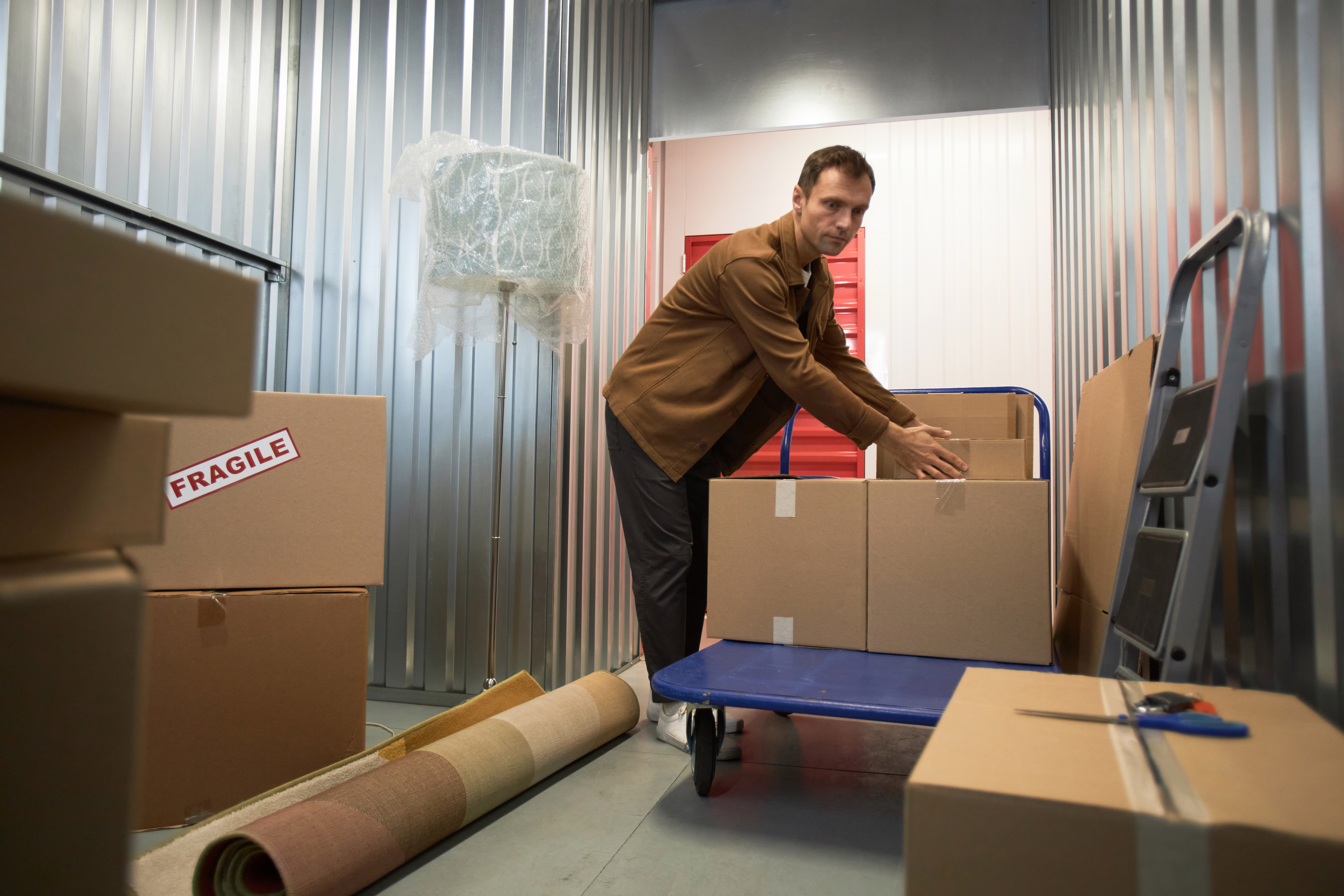
Relocating to Burnet or Marble Falls is an exciting move, but it rarely goes exactly as planned. Closing dates shift, homes aren’t ready on time, and moving schedules don’t always line up. That’s where temporary storage comes in. If you plan it right, storage can make your move smoother, more flexible, and far less stressful.
Why Temporary Storage Is So Useful During a Move
Most people assume they’ll move out and move in on the same day. In reality, that rarely happens. You might face:
- Delays in closing or paperwork
- A gap between lease end and move-in date
- Renovations that aren’t finished yet
Temporary storage gives you a buffer so you’re not rushed or overwhelmed.
What Is Temporary (Bridge) Storage?
Temporary storage—often called bridge storage—is a short-term solution used during transitions.
It’s commonly used when:
- You’ve sold your home but can’t move into the new one yet
- You’re relocating from another city or state
- You need time to organize before fully moving in
You can rent storage for:
- A few days
- A few weeks
- A few months
The flexibility is what makes it so useful.
Why Storage Is Especially Helpful in Burnet and Marble Falls
Moving to the Hill Country comes with a few unique challenges.
Timing gaps are common
- Real estate transactions don’t always align perfectly
- Delays can happen with inspections or financing
Homes may not be move-in ready
- New builds or renovations may still be in progress
Lifestyle requires more space
Many residents own:
- Boats (Lake LBJ, Lake Buchanan)
- RVs and trailers
These items often need separate storage during a move.
What You Can Store During Your Move
Temporary storage works for most household and large items.
Household items
- Furniture (beds, sofas, tables)
- Boxes (clothing, kitchenware, décor)
- Appliances (properly cleaned and prepped)
Vehicles and large items
- Extra cars
- Boats and trailers
- RVs or campers
Non-essential items
- Holiday decorations
- Outdoor furniture
- Garage or storage overflow
This helps you move in stages instead of all at once.
Choosing the Right Type of Storage
Not all storage units are the same. Choosing the right one depends on what you’re storing.
Non-climate storage
Best for:
- Short-term moves
- Durable items like furniture and equipment
- Vehicles, boats, and trailers
Benefits:
- More affordable
- Easy access
Climate-controlled storage
Best for:
- Electronics
- Wooden furniture
- Documents and valuables
Use this if:
- You’re storing items for longer periods
- Your items are sensitive to heat or humidity
How Long Should You Use Temporary Storage?
Your timeline depends on your move, but it’s smart to plan ahead.
Typical timelines:
- 1–2 weeks:Short gaps between move-out and move-in
- 1–3 months:Delays, renovations, or construction
Smart planning tip:
Always add extra time.
Delays are common, and having a buffer prevents last-minute stress.
How to Pack for Temporary Storage
Packing properly makes a big difference when you need to access your items later.
Keep essentials separate
- Pack a “first open” box with daily items
- Include clothes, chargers, and basic supplies
Use durable containers
- Choose plastic bins when possible
- Avoid weak or damaged boxes
Label everything clearly
- Write the room name
- Add notes like “open first” or “fragile”
This saves time when unpacking later.
How to Set Up Your Storage Unit
A little planning inside your unit can save you a lot of hassle.
Use a simple layout:
- Front:Items you may need soon
- Middle:Medium-priority boxes
- Back:Long-term storage
Leave space to move
- Create a walkway inside the unit
- Avoid stacking everything tightly
This allows you to grab items without unpacking everything.
How to Protect Your Belongings
Even short-term storage requires some protection.
Prevent moisture issues
- Use moisture absorbers
- Don’t store damp items
Protect furniture
- Cover with breathable materials
- Disassemble large pieces when possible
Keep pests away
- Avoid storing food
- Use sealed containers
These simple steps help keep your belongings in good condition.
Common Mistakes to Avoid
Many moving issues come from simple mistakes.
Renting the wrong size
- Too small = overcrowding and damage
Poor organization
- No labels
- No plan for accessing items
Waiting too long to book
- Storage fills up quickly during peak moving seasons
Planning early avoids these problems.
Pro Tips for a Smooth Move
- Reserve your storage unit early
- Use storage to move in stages
- Keep an inventory list of stored items
- Visit your unit if needed during the move
These small steps make your move much easier.
When Temporary Storage Becomes Long-Term
Sometimes plans change. You may continue using storage for:
- Downsizing
- Renovations
- Storing RVs, boats, or extra vehicles
Having storage already set up makes these transitions easier.
Final Thoughts
Moving to Burnet or Marble Falls doesn’t have to be stressful. Temporary storage gives you the flexibility to handle delays, stay organized, and move at your own pace. Instead of rushing everything at once, you can take control of your move and protect your belongings along the way.
Categories