

Liberty Hill Residents: How to Prevent Rust and Rodents in Stored Vehicles
Habib Ahsan
January 29th, 2026
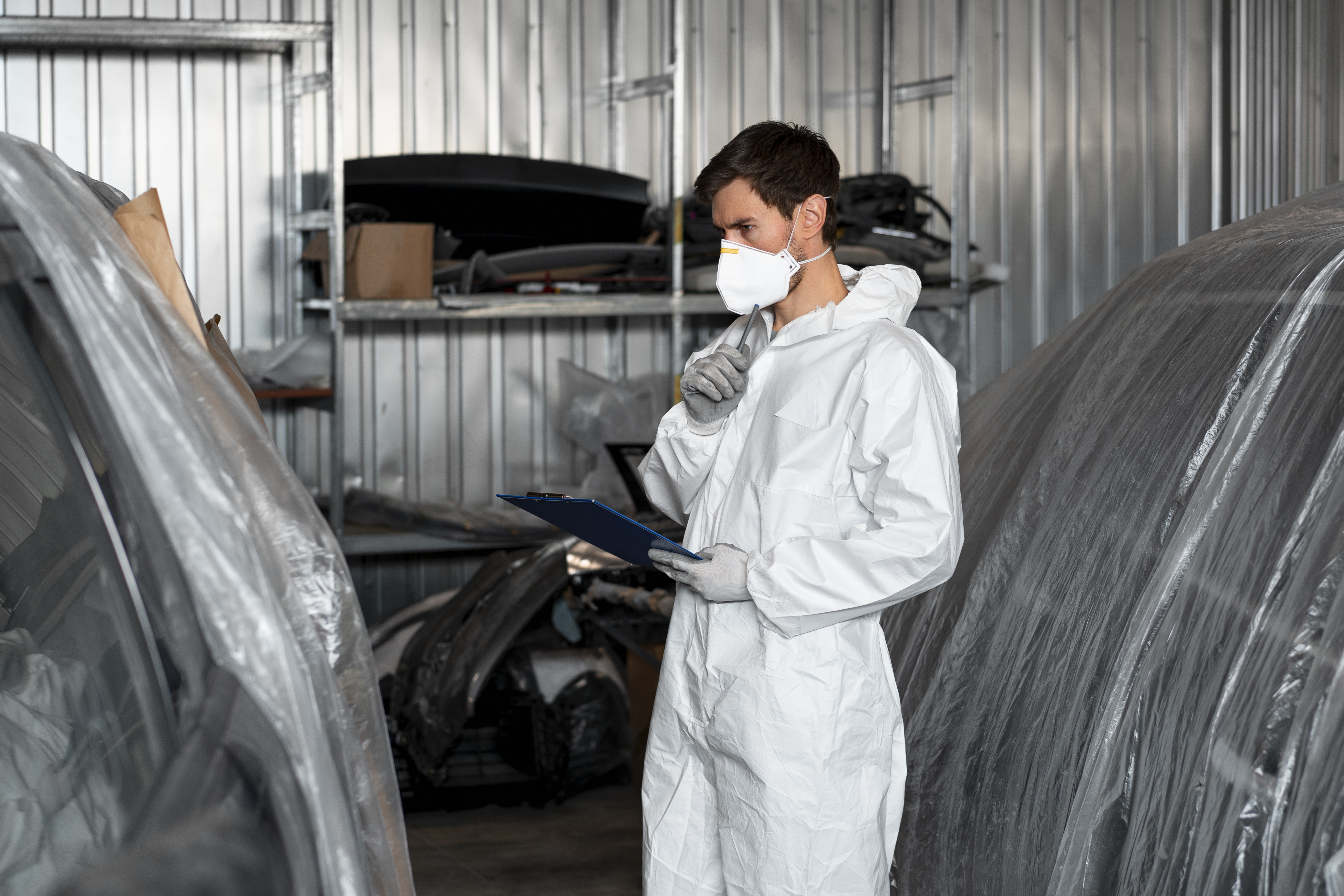
Storing a vehicle for weeks or months is common for many Liberty Hill residents. Seasonal travel, extra vehicles, or limited driveway space often mean cars, trucks, RVs, or boats sit unused for long periods. Without proper preparation, two problems show up more than any others: rust and rodent damage. Both issues develop quietly and can cause expensive repairs. The good news is they’re largely preventable with the right storage habits. This guide explains clear, practical steps to protect stored vehicles from rust and rodents—without unnecessary complexity.
Why Rust and Rodents Are a Real Risk in Stored Vehicles
Central Texas storage challenges don’t come from harsh winters. They come from moisture, temperature swings, and inactivity.
Moisture and Condensation
- Warm days and cool nights cause moisture to form on metal surfaces
- Condensation settles in frames, exhaust systems, and brake components
- Over time, this moisture leads to corrosion even when it never rains
Rodents Seek Shelter
- Stored vehicles provide warmth and quiet spaces
- Engine bays, cabins, and insulation make ideal nesting spots
- Chewed wiring and hoses often go unnoticed until the vehicle is used again
Preventing Rust Before Storage Begins
Rust prevention starts before the vehicle is parked.
Clean Thoroughly and Let It Dry
- Wash the exterior to remove dirt and contaminants
- Clean wheel wells, undercarriage, and suspension areas where moisture collects
- Allow the vehicle to dry completely before storing
Trapped moisture is one of the fastest ways rust forms.
Add Basic Protective Barriers
- Apply wax or paint sealant to exposed surfaces
- Use rust inhibitors on visible metal parts underneath the vehicle
- Place moisture barriers or pads under tires when possible
These steps reduce moisture contact during long storage periods.
Choose a Smart Parking Surface
- Avoid parking directly on grass or soil
- Use gravel, concrete, or paved surfaces for better drainage
- Tire pads help reduce moisture transfer from the ground
Ground moisture often causes rust from the bottom up.
Preventing Rodent Damage in Stored Vehicles
Rodent prevention is about removing attraction and blocking access.
Seal Entry Points Carefully
- Block exhaust pipes and air intakes with breathable material
- Close gaps around wiring and vents where possible
- Avoid airtight seals that trap moisture
Rodents look for easy entry—not sealed fortresses.
Remove Anything That Attracts Pests
- Clean the interior thoroughly
- Remove food wrappers, crumbs, and pet hair
- Avoid scented cleaners or air fresheners
Even small odors can attract rodents.
Use Deterrents Correctly
- Place deterrents around the vehicle, not inside
- Avoid placing chemicals directly on wiring or upholstery
- Check deterrents regularly and replace as needed
Deterrents work best when combined with cleanliness and sealing.
Storage Environment Matters More Than You Think
Where a vehicle is stored plays a major role in rust and rodent prevention.
Covered Storage Reduces Risk
- Limits direct moisture exposure
- Reduces condensation caused by temperature swings
- Keeps debris and leaves from collecting
Covered environments help stabilize conditions around the vehicle.
Allow for Airflow
- Use breathable covers instead of plastic tarps
- Leave small gaps for ventilation
- Avoid fully wrapping vehicles in non-breathable materials
Airflow prevents moisture from becoming trapped.
Accessibility for Inspections
- Choose a location that allows easy access
- Regular checks catch problems early
- Early intervention prevents costly damage
Vehicles left untouched for months are the most vulnerable.
Ongoing Maintenance During Storage
Storage protection works best with occasional check-ins.
Monthly Inspection Checklist
- Look for signs of moisture or condensation
- Check under the hood and inside for nesting material
- Inspect wiring and hoses for chew marks
- Monitor rust-prone areas like exhaust and frame rails
These checks take minutes and save money.
Respond Quickly to Early Signs
- Surface rust should be cleaned and treated immediately
- Rodent droppings or nesting material should be removed right away
- Adjust prevention methods if problems reappear
Small issues become big problems when ignored.
Preparing the Vehicle for Use After Storage
Before returning a stored vehicle to regular use:
Safe Re-Entry Steps
- Remove covers and barriers carefully
- Inspect brakes, wiring, and hoses
- Check fluid levels and tire condition
- Start the vehicle and listen for irregular sounds
A short inspection prevents surprises on the road.
Why Proactive Storage Habits Pay Off
Long-Term Protection
- Prevents structural rust
- Reduces electrical failures
- Maintains resale value
Lower Repair Costs
- Rodent repairs are often expensive and time-consuming
- Rust spreads quickly once it starts
- Prevention costs far less than repairs
Peace of Mind
- Confidence your vehicle is protected
- Fewer issues when it’s time to drive again
- Less stress around long-term storage
Final Thoughts
For Liberty Hill residents, rust and rodents are the two biggest threats to stored vehicles—but they’re also the easiest to prevent. With proper cleaning, moisture control, rodent deterrence, and periodic inspections, you can protect your vehicle and avoid unnecessary repairs. Storage doesn’t have to mean damage. A few smart habits go a long way toward keeping vehicles safe, reliable, and ready when needed.
Categories