

How to Correctly Stabilize Fuel Before Storing Your Boat in Central Texas
How to Correctly Stabilize Fuel Before Storing Your Boat in Central Texas
Habib Ahsan
May 4th, 2026
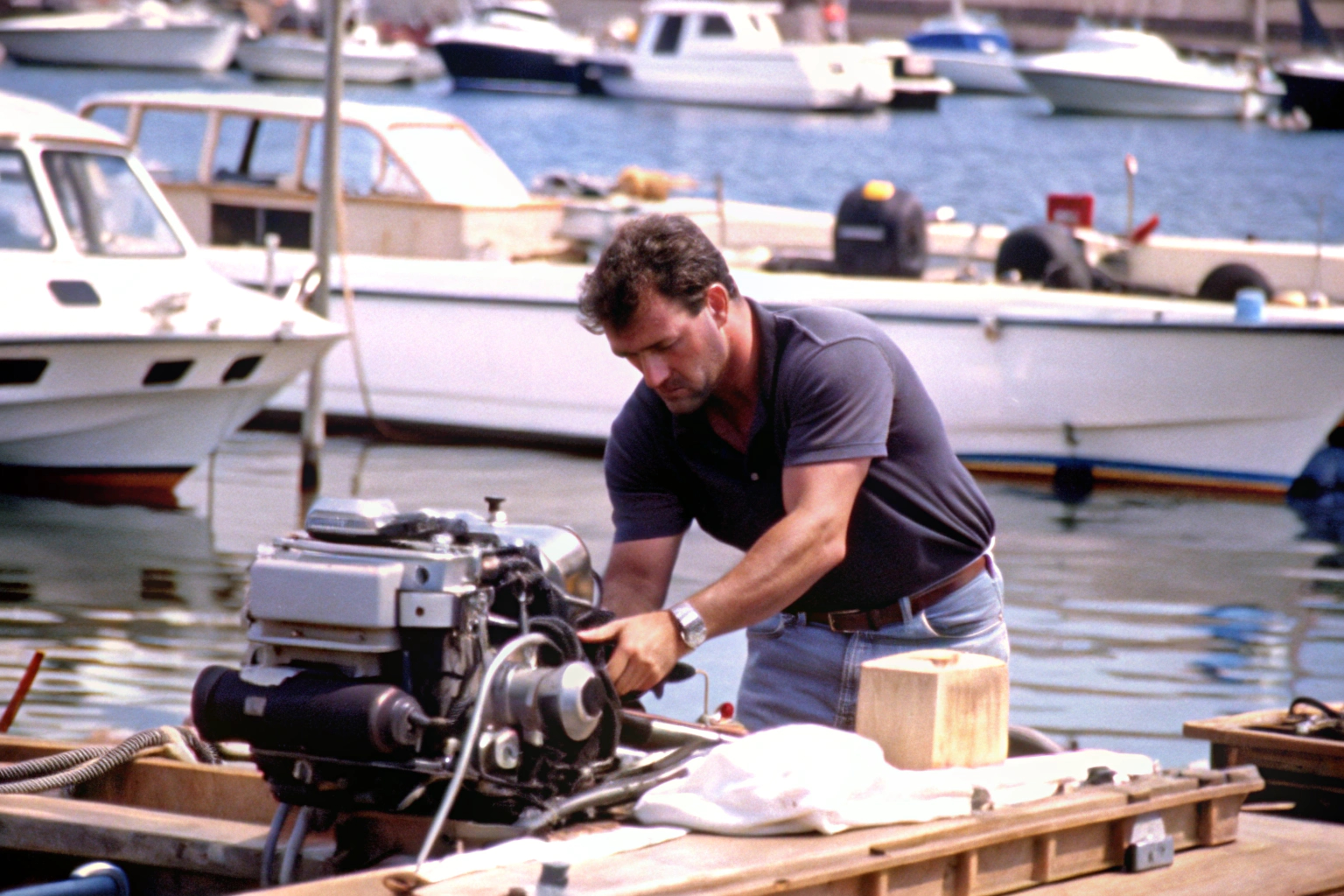
The One Pre-Storage Step Most Central Texas Boat Owners Skip
Fuel stabilization before long-term boat storage is one of those maintenance steps that experienced boaters swear by and first-time owners routinely overlook — right up until the first warm weekend of the season when their engine cranks slowly, runs rough, or refuses to start. Understanding how to stabilize fuel before storing your boat in Central Texas is one of the most practical things a boat owner in Liberty Hill, Georgetown, Burnet, or Marble Falls can learn, and it takes about fifteen minutes to do correctly.
Modern gasoline — particularly the ethanol-blended fuel sold at most Texas marinas and gas stations — begins to degrade in as little as thirty days. By the time a boat has been in storage for sixty to ninety days, untreated fuel has already started breaking down into components that leave behind varnish deposits, absorb moisture from the air, and compromise the fuel system components they were never meant to sit in contact with for months at a time.
Why Central Texas Fuel Degrades Faster Than Owners Expect
Texas heat accelerates fuel degradation in ways that owners coming from cooler climates often underestimate. The temperature swings in the Hill Country between summer highs and winter lows cause fuel in a partially filled tank to expand and contract repeatedly — drawing humid air in through the fuel cap and increasing the rate at which ethanol-blended gasoline absorbs water.
E10 fuel — ten percent ethanol, which is the standard blend sold across most of Texas — is particularly vulnerable to a process called phase separation. When E10 absorbs enough moisture, the ethanol and water separate from the gasoline and settle at the bottom of the tank as a distinct layer. This layer is corrosive to fuel system components, does not combust properly, and can cause serious carburetor and injector damage if it enters the engine. In Central Texas storage conditions, phase separation can occur in as little as ninety days in a partially filled tank.
What Fuel Stabilizer Actually Does
A quality fuel stabilizer works in two ways. It slows the oxidation process that causes gasoline to break down into gum and varnish deposits, and it prevents or delays phase separation in ethanol-blended fuel. The active chemistry in most marine-grade stabilizers essentially suspends the fuel in a more stable state — slowing the rate of degradation so that when you return to the boat after a storage period, the fuel in the system is still close to its original quality.
Fuel stabilizer does not restore degraded fuel. It preserves fuel that is still in good condition at the time of treatment. This is why the timing of stabilizer addition matters — it should go in before the boat is stored, not after a long storage period as a corrective measure.
How to Stabilize Fuel Before Storing Your Boat in Central Texas
Step One — Fill the Tank
A full tank leaves less air space for moisture to enter and reduces the condensation that accumulates on tank walls during temperature cycling. Most marine mechanics recommend filling to approximately ninety to ninety-five percent capacity — enough to minimize air exposure without leaving no room for thermal expansion. This step is especially important in the Hill Country, where temperature swings between seasons create significant condensation risk in partially filled tanks.
Step Two — Add the Right Amount of Stabilizer
Follow the manufacturer's dosing instructions for the specific stabilizer you are using, based on your tank capacity. Marine-grade stabilizers formulated for ethanol-blended fuel are the appropriate choice for Central Texas boat owners — standard automotive stabilizers are not designed for the moisture absorption characteristics of E10 fuel. Common marine stabilizer brands offer formulations specifically labeled for ethanol treatment that provide better phase separation protection than general-purpose products.
Underdosing is a common mistake. If your storage period is expected to exceed the standard treatment window listed on the product — typically thirty to sixty days for standard formulas — use the higher end of the recommended dosage range or choose a stabilizer rated for extended storage periods up to twelve months.
Step Three — Run the Engine
After adding the stabilizer to the tank, run the engine for five to ten minutes. This circulates the treated fuel through the entire fuel system — the fuel pump, fuel filter, carburetor or injectors, and fuel lines — ensuring that every component that will sit idle during storage is coated with stabilized fuel rather than the untreated residual fuel that was in the lines before treatment.
This step is the one most frequently skipped, and its omission is the most common reason fuel stabilization fails to prevent storage-related engine problems. Adding stabilizer to the tank without running the engine leaves the carburetor and injectors filled with untreated fuel that will degrade and leave deposits throughout the storage period.
Additional Steps Worth Combining with Fuel Treatment
Fuel stabilization is the most important single pre-storage step for the engine, but it works best as part of a broader storage preparation routine. Here are the steps that experienced boat owners in the Liberty Hill, Burnet, and Highland Lakes area typically combine with fuel treatment before a long storage period:
- Change the engine oil before storage — used oil contains combustion acids that damage engine components during idle periods
- Flush the cooling system — particularly important for boats used in freshwater lakes; flush with clean water and run fogging oil through the intake if storing for more than ninety days
- Disconnect the battery or connect a battery maintainer — parasitic draw will deplete a battery over a storage period of sixty days or more
- Inspect and treat rubber seals around hatches and compartments — silicone-based protectants slow drying and cracking during storage
- Remove any food, fishing supplies, or organic material — these attract pests and can cause significant interior damage over a long storage period
How Storage Environment Affects Fuel System Health
Even correctly stabilized fuel degrades faster in high-temperature, high-humidity environments. A boat stored on an open lot under direct Texas sun experiences greater thermal cycling than one stored in a covered or enclosed unit — which means the fuel and fuel system components experience more stress during the same storage period, even with stabilizer treatment.
Covered and enclosed storage at facilities like Lone Star Boat and RV Storage on State Highway 29 near Liberty Hill moderates temperature swings, reduces UV stress on fuel system components, and extends the effective protection window of fuel stabilizer treatment. For boat owners storing for ninety days or more in Central Texas, the combination of correct fuel treatment and a covered storage environment provides meaningfully better engine protection than either approach alone.
Getting Your Boat Ready for the Next Season
A correctly prepared boat stored in a quality facility comes out of storage ready to run. The difference between a frustrating first trip and a clean, reliable season opener is almost always in the pre-storage work — and fuel stabilization is the most impactful single step in that process.
Lone Star Boat and RV Storage serves boat owners across Liberty Hill, Georgetown, Leander, Cedar Park, Burnet, Bertram, and Marble Falls. New tenants receive 50% off their second and third months. Reserve your covered or enclosed unit on the Liberty Hill boat storage reservations page. Browse all Hill Country locations on the Lone Star RV and boat storage page. Questions about unit options or storage preparation? Reach the team through the contact page — a local team member will get back to you.
Categories