

Gated Keypad Access vs. Basic Padlock: Why the Difference Matters for Texas Storage
Gated Keypad Access vs. Basic Padlock: Why the Difference Matters for Texas Storage
Habib Ahsan
April 29th, 2026
The Security Gap Most Storage Renters Never Think About
Most people evaluating a storage facility in Texas focus on the lock on the door. It is the visible, tangible piece of security — the thing you can touch, the thing you can point to and say your vehicle is protected. But gated keypad access versus a basic padlock is not just a comparison of two lock types. It is a comparison of two fundamentally different security philosophies, and understanding the difference matters significantly for RV and boat owners in Liberty Hill, Georgetown, Leander, and the surrounding Hill Country communities who are storing high-value vehicles for months at a time.
A padlock on an individual unit is a last-resort barrier. It is the final line of defense after everything else has already failed. Keypad-gated perimeter access is a first-line deterrent — a system that controls who reaches your vehicle in the first place. The distinction between those two approaches shapes how much real-world protection your stored RV or boat actually receives.
What a Padlock Alone Actually Protects
A quality padlock on a storage unit protects that unit — and only that unit. It assumes, by design, that the person testing the lock has already made it onto the property, navigated to your specific space, and is now standing next to your vehicle. At that point, the padlock is doing meaningful work. But everything that happened before that moment went entirely uncontrolled.
An open or minimally secured storage lot with padlock-only unit protection gives any visitor — welcome or not — unrestricted access to the property at any hour. They can walk the aisles, assess what is stored where, return when conditions suit them, and approach vehicles at close range without triggering any access log or alert. The padlock still has to be defeated, but the opportunity to try exists without any friction at the perimeter.
The Opportunistic Theft Problem
Most storage facility theft is opportunistic rather than targeted. A vehicle left in an open, unsecured lot is visible, assessable, and approachable by anyone who drives past or walks in. Trailers can be hitched and removed. Accessories and gear left on or around an RV or boat are easily taken. Damage from vandalism — scratches, broken mirrors, slashed covers — requires only proximity and intent, not any specialized tools.
Open or padlock-only facilities in rural and suburban Texas — particularly along corridors like State Highway 29 and the broader Williamson County area — have higher exposure to these opportunistic incidents than gated, surveilled facilities. The ease of access is the vulnerability.
How Keypad-Gated Access Changes the Security Equation
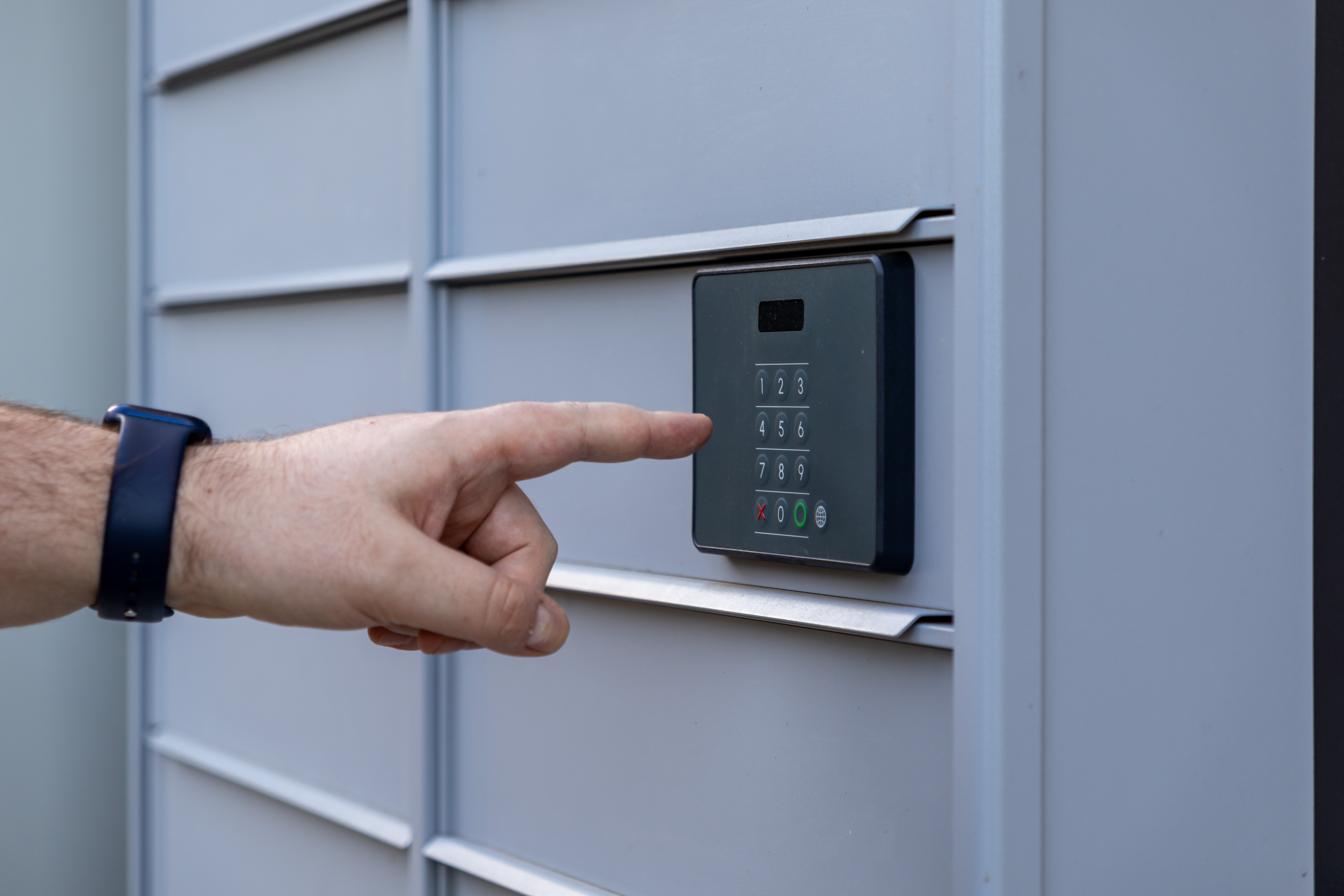
A keypad-gated perimeter system controls access at the property boundary rather than at the individual unit. Only tenants with active, valid access codes can enter the facility. Every entry and exit is logged electronically. Unauthorized vehicles cannot reach the storage area at all, which eliminates the opportunity for opportunistic damage, assessment, and theft before it begins.
For RV and boat owners in Liberty Hill, Cedar Park, Andice, and Jarrell who store high-value vehicles for extended periods, that perimeter layer is the most meaningful security investment a storage facility can make. It is also the layer most clearly visible when evaluating facilities — either a gate exists and operates on controlled access, or it does not.
What the Access Log Adds
Electronic keypad systems maintain a timestamped log of every entry and exit. For tenants, this provides a verifiable record of their own access activity. For facility management, it provides the ability to identify when unauthorized access occurred — which entry code was used, at what time, and with what frequency. In the event of an incident, this log is often the difference between a recoverable situation and a complete loss with no documentation.
A padlock has no memory. It records nothing and provides no audit trail. If your unit is compromised overnight and a padlock-only facility has no surveillance and no access control, the investigation starts with almost no information to work from.
The Full Security Stack Worth Looking For
Keypad-gated access is the most important single feature in a storage security evaluation, but it works best as part of a layered system. Here is what a properly secured RV and boat storage facility should offer in combination:
- Keypad-gated perimeter access — controlled entry for tenants only, with electronic access logging
- Active video surveillance — cameras covering entry points, drive aisles, and storage areas that are recording, not merely present
- Bright led security lighting — full property illumination that eliminates dark zones and makes unauthorized activity visible
- Wide, visible drive aisles — open sight lines that reduce concealment opportunities within the property
- On-site management presence — a locally operated facility with active management rather than remote chain oversight
- Tenant insurance availability — financial protection that layers onto physical security for complete coverage
Each of these elements addresses a different point of vulnerability. Together, they create a security environment where the probability of an incident is substantially lower than at facilities relying on perimeter openness and unit-level padlocks alone.
Why This Matters More for RV and Boat Storage Than General Storage
The security stakes for RV and boat storage are meaningfully higher than for a standard household storage unit. The vehicles themselves are high-value, mobile assets — a boat trailer can be hitched and driven away, an RV has significant resale value in any condition, and the equipment and gear stored inside or alongside these vehicles represent additional financial exposure.
Owners in Liberty Hill, Georgetown, Burnet, and the Highland Lakes area are storing vehicles that represent tens of thousands of dollars of investment. The storage security level those vehicles deserve is not the same as the level appropriate for seasonal household furniture or archived documents. Keypad-gated access, active surveillance, and quality LED lighting are not premium amenities in this context — they are baseline expectations for protecting assets of this value.
What the Liberty Hill Location Offers
Lone Star Boat and RV Storage on State Highway 29 operates with 24/7 keypad-gated entry — your unique access code, active logging, and controlled perimeter access at all hours. Active video surveillance covers the property alongside bright LED security lighting that illuminates every aisle and access point. Spaces accommodate vehicles up to 50 feet, with covered and enclosed options for owners who want physical weather protection on top of the security infrastructure.
The facility is locally owned and operated, which means the people managing security are present and accountable to the Liberty Hill and Williamson County community they serve. New tenants save 50% off their second and third months. Reserve your secure unit on the Liberty Hill storage reservations page, explore all three Hill Country locations on the Lone Star RV and boat storage page, or reach the team directly through the contact page with any questions about the facility's security setup.
Categories