
Burnet RV Storage: Covered vs Enclosed — Which Protects Better in Texas Heat?
Habib Ahsan
January 26th, 2026
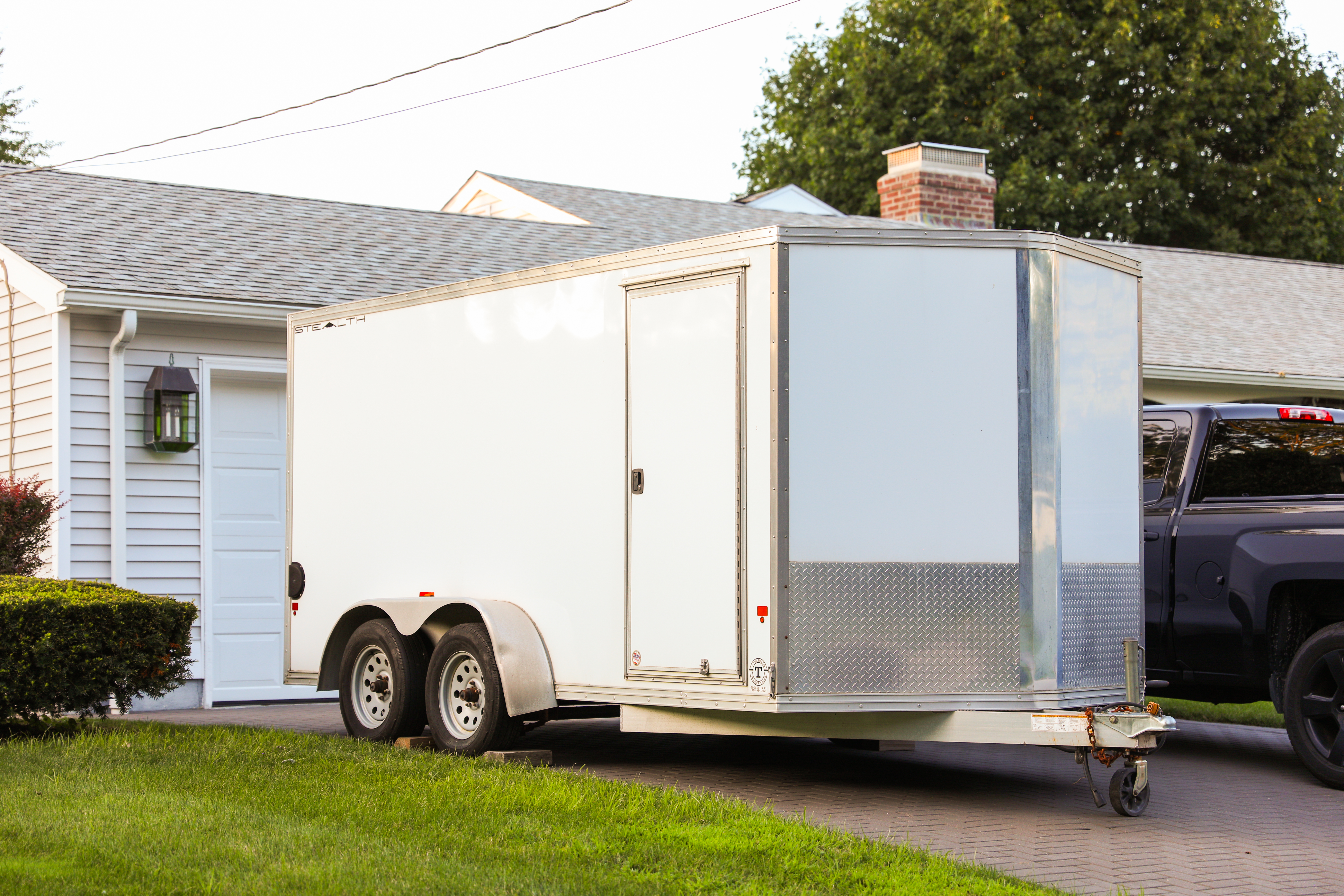
Texas heat is tough on RVs, and Burnet is no exception. Long summer days, intense sun, and sudden storms can quietly damage an RV when it’s not in use. Choosing the right type of storage—covered or enclosed—can make a real difference in how well your RV holds up over time. This guide explains how each option performs in Central Texas heat, when each makes sense, and how to choose the right protection for your RV.
Why Storage Type Matters in Burnet
Many RV owners assume that any storage is good enough. In Texas, that’s rarely true. Heat, UV exposure, and weather add up fast, especially during months when an RV sits unused. Without proper protection, owners often see:
- Faded paint and cracked decals
- Dry, brittle seals and slide-out gaskets
- Tire damage from constant sun exposure
- Interior heat damage to cabinets and electronics
The right storage setup helps slow all of this down.
How Texas Heat Affects RVs
Sun Exposure Is the Biggest Threat
Even when the air temperature feels manageable, sunlight can:
- Break down exterior finishes
- Dry out rubber seals and roof materials
- Speed up tire cracking and dry rot
Heat Builds Up Inside Quickly
In summer, RV interiors can easily exceed 120°F, even when parked.
- Adhesives can weaken
- Upholstery and vinyl age faster
- Electronics and batteries experience added stress
Wind and Storms Add Wear
Wind carries dust and debris that can scratch surfaces. Sudden storms bring heavy rain and hail that cause damage when RVs are exposed.
What Covered RV Storage Protects Against
What It Is
Covered storage places a roof over your RV while leaving the sides open.
What Covered Storage Does Well
- Blocks direct sunlight from the roof
- Reduces surface temperatures compared to open parking
- Protects from rain, hail, and falling debris
- Allows airflow, which helps prevent trapped heat
Where Covered Storage Falls Short
- Sun can still hit sidewalls and tires
- Wind-driven dust can reach the RV
- Temperature still rises during extreme heat
Best for:
- RVs used frequently
- Short- to mid-term storage
- Owners looking for strong protection without the cost of enclosure
What Enclosed RV Storage Protects Against
What It Is
Enclosed storage places your RV inside a fully walled unit with a door.
What Enclosed Storage Does Best
- Blocks sunlight from all sides
- Slows temperature changes during hot days
- Keeps dust, debris, and pests out
- Provides the highest level of security
What to Consider Before Choosing Enclosed
- Higher cost and limited availability
- Size restrictions for larger RVs
- Proper ventilation is important to prevent moisture buildup
Best for:
- Long-term storage
- High-value or newer RVs
- RVs not used for extended periods
Covered vs Enclosed: A Practical Comparison
UV Protection
- Covered: Protects from above
- Enclosed: Full protection from all angles
Heat Management
- Covered: Reduces heat with airflow
- Enclosed: Slows temperature swings, especially on extreme days
Weather Protection
- Covered: Shields from rain and hail
- Enclosed: Shields from wind, rain, dust, and storms
Maintenance Impact
- Covered: Reduces wear but still requires upkeep
- Enclosed: Minimizes long-term exterior maintenance
When Enclosed Storage Is Worth the Upgrade
Enclosed storage makes sense if:
- Your RV sits unused for months at a time
- You own a newer or higher-end RV
- You want maximum protection with minimal maintenance
- You store sensitive items or electronics inside
For many Burnet RV owners, enclosed storage is a long-term investment that preserves value.
How to Maximize Protection in Either Option
If You Use Covered Storage
- Add tire covers and UV protectant
- Use a breathable RV cover
- Park to reduce side sun exposure when possible
If You Use Enclosed Storage
- Use moisture absorbers inside
- Check battery condition periodically
- Ensure proper airflow inside the unit
Common Mistakes RV Owners Make in Texas Heat
- Assuming covered storage equals full protection
- Ignoring sidewall and tire exposure
- Skipping inspections during storage
- Choosing the cheapest option instead of the right one
These small choices often lead to higher repair costs later.
Final Thoughts: Choosing the Right Storage in Burnet
There’s no one-size-fits-all answer. Covered storage offers excellent value and protection for most RV owners, especially those who travel often. Enclosed storage is worth it when long-term protection and peace of mind are the priority. Understanding how Texas heat affects your RV—and matching your storage choice to how you use it—helps protect your investment and keeps your RV ready for the road.
Categories