

Liberty Hill Boat Storage: Stabilizing Fuel & Batteries Before Winter
Liberty Hill Boat Storage: Stabilizing Fuel & Batteries Before Winter
Habib Ahsan
February 23rd, 2026
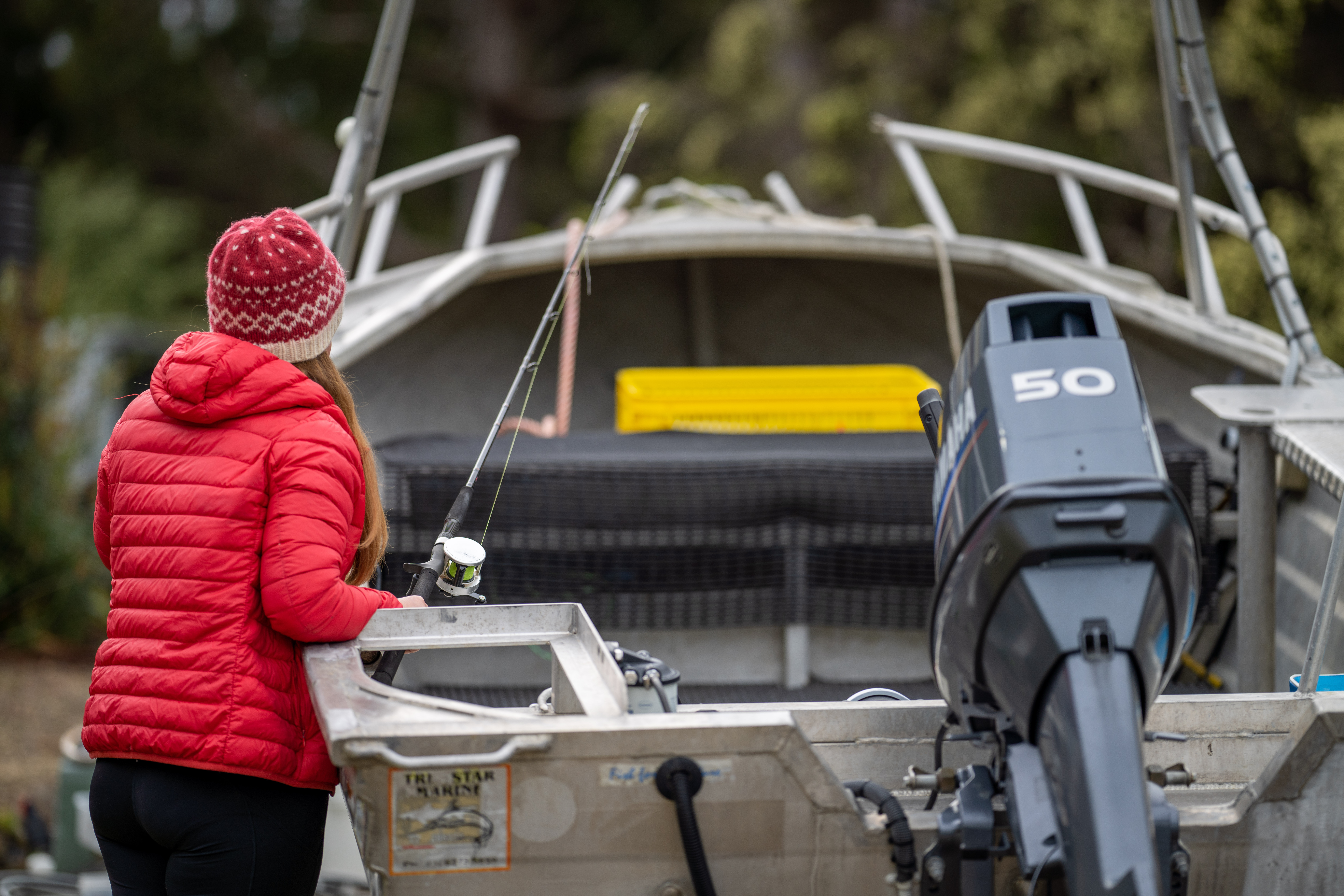
For many Liberty Hill boat owners, winter or off-season storage means the boat may sit unused for months. When boats are parked without proper preparation, the most common problems in spring involve fuel systems that won’t run smoothly and batteries that won’t hold a charge. Stabilizing fuel and maintaining batteries before storage helps prevent expensive repairs and ensures your boat is ready when boating season returns. A simple routine done before storage can protect your engine, electrical system, and overall reliability. This guide explains exactly how to prepare fuel systems and batteries for safe winter storage.
Why Fuel and Battery Prep Matters Before Storage
Boats that sit unused often develop problems quietly over time. The most common issues include:
- Fuel that breaks down and clogs components
- Moisture buildup inside fuel tanks
- Batteries losing charge and failing
- Corrosion at electrical connections
Liberty Hill weather often includes temperature swings that increase condensation and battery discharge rates. Preparing properly reduces these risks and makes spring startup easier.
Understanding Fuel System Risks During Storage
Fuel Breakdown and Moisture
Gasoline changes when it sits for long periods. Common fuel problems include:
- Fuel turning into sticky residue
- Deposits forming in fuel lines
- Moisture collecting inside tanks
- Reduced engine performance
Ethanol-blended fuel can absorb moisture from the air, which increases the chance of fuel system problems.
Understanding Battery Risks During Storage
Slow Discharge and Internal Damage
Boat batteries slowly lose charge even when unused. Common causes include:
- Small electrical draws from onboard systems
- Natural self-discharge over time
- Temperature changes affecting battery chemistry
If batteries sit partially discharged, permanent internal damage can occur.
Step One: Inspect Before Preparing for Storage
Preparation starts with a careful inspection.
Fuel System Inspection
Before adding stabilizer, check the fuel system. Look for:
- Cracked or stiff fuel lines
- Worn primer bulbs
- Dirty fuel filters
- Fuel odors that may indicate leaks
Fixing small problems before storage prevents larger ones later.
Battery System Inspection
Check battery condition before charging. Inspect for:
- Cracked or swollen battery cases
- Loose connections
- Corrosion on terminals
- Damaged cables
Clean terminals if needed so batteries can charge properly.
Step Two: Stabilize the Fuel Properly
Fuel stabilizer protects gasoline during storage.
Choosing a Fuel Stabilizer
Select stabilizers designed for modern fuel. Important considerations:
- Compatibility with ethanol-blended gasoline
- Correct dosage for tank size
- Clear usage instructions
Using the right amount is important for effective protection.
Adding Stabilizer Correctly
Follow a simple process:
- Add stabilizer to the tank first
- Fill the tank to about 90–95% capacity
- Avoid filling completely to allow expansion
A mostly full tank reduces moisture buildup.
Circulate Stabilized Fuel
Stabilizer must move through the system. Steps:
- Run the engine for several minutes
- Allow stabilized fuel to reach fuel lines
- Ensure treated fuel reaches the engine components
This prevents untreated fuel from sitting in the system.
Step Three: Fuel Tank Storage Best Practices
Managing Fuel Levels
Fuel level affects condensation. Best practices:
- Keep tanks mostly full
- Avoid storing with nearly empty tanks
- Confirm fuel gauge accuracy
Reducing air space inside the tank limits moisture buildup.
Fuel System Protection
Additional steps improve protection. Helpful actions:
- Replace fuel filters if needed
- Tighten fuel caps securely
- Inspect vents and fittings
Small preventive steps protect the entire system.
Step Four: Battery Preparation Before Storage
Fully Charge Batteries
Batteries should be fully charged before storage. Preparation steps:
- Charge batteries completely
- Confirm charger compatibility
- Avoid storing partially charged batteries
Full charge helps prevent internal damage.
Disconnect Batteries Safely
Disconnecting prevents slow power drain. Steps:
- Turn off battery switches
- Disconnect the negative terminal first
- Secure cables away from terminals
Isolation prevents unwanted discharge.
Step Five: Battery Storage Options
Leaving Batteries in the Boat
For moderate storage periods:
- Use battery cutoff switches
- Ensure compartments stay dry
- Check batteries occasionally
This method works when batteries remain accessible.
Removing Batteries for Longer Storage
Removal may be better for extended storage. Steps include:
- Label cables before disconnecting
- Transport batteries carefully
- Store in dry locations
Place batteries on insulated surfaces rather than bare concrete.
Step Six: Safe Battery Charging During Storage
Use Smart Chargers
Modern chargers maintain batteries safely. Benefits include:
- Automatic voltage control
- Prevention of overcharging
- Reduced maintenance needs
Smart chargers help maintain battery health.
Establish a Charging Schedule
Routine checks keep batteries healthy. Recommended routine:
- Check voltage monthly
- Recharge when necessary
- Record maintenance dates
Regular monitoring prevents surprises.
Storage Environment Considerations
Temperature and Ventilation
Storage conditions affect fuel and batteries. Better environments include:
- Dry areas with airflow
- Protection from direct sun
- Stable temperatures when possible
Stable conditions help systems last longer.
Covered vs Open Storage Impact
Storage conditions influence system health. Covered storage can help by:
- Reducing temperature swings
- Limiting sun exposure
- Keeping components cooler
Many boat owners find that boat storage near Liberty Hill provides a practical place to maintain fuel and battery systems in a more controlled environment while the boat is not in use.
Periodic Checks During Storage
Monthly Fuel System Checks
Occasional inspections prevent problems. Check for:
- Fuel odors
- Loose fuel caps
- Visible leaks
Early detection prevents damage.
Monthly Battery Checks
Battery inspections should include:
- Voltage checks
- Terminal inspection
- Charger operation if connected
Quick checks help maintain battery reliability.
Preparing for Spring Startup
Fuel System Readiness
Before the first trip:
- Inspect fuel filters
- Check fuel clarity
- Run the engine briefly
Confirm smooth operation before heading to the lake.
Battery System Readiness
Before launch:
- Fully charge batteries
- Clean terminals if needed
- Test electrical systems
Reliable power is essential for safe operation.
Common Mistakes to Avoid
Avoid these common storage errors:
- Storing with nearly empty fuel tanks
- Skipping fuel stabilizer
- Leaving batteries partially charged
- Forgetting to circulate treated fuel
- Ignoring terminal corrosion
Preventing these mistakes helps avoid costly repairs.
Final Thoughts
For Liberty Hill boat owners, stabilizing fuel and maintaining batteries are two of the most important steps before winter or long-term storage. Proper preparation protects the engine, electrical system, and overall reliability of the boat.
Categories