

Leander RV Travelers: Storage Workflow That Speeds Up Weekend Departures
Leander RV Travelers: Storage Workflow That Speeds Up Weekend Departures
Habib Ahsan
February 20th, 2026
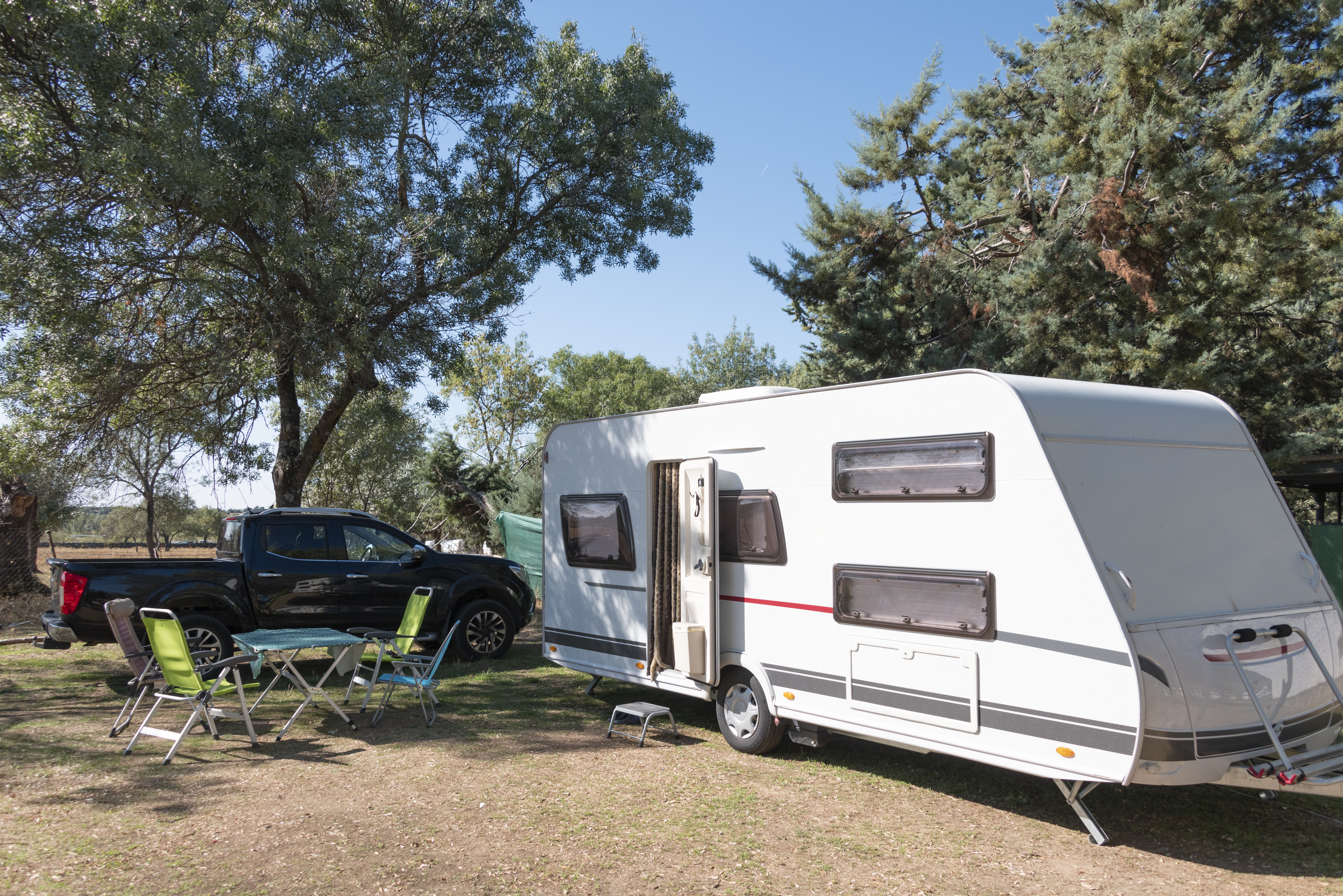
For many Leander RV travelers, the most stressful part of a weekend trip isn’t the drive — it’s the rush to leave. After a full workweek, families often spend 45 minutes to an hour packing, checking equipment, repositioning vehicles, and realizing something was forgotten. A structured RV storage workflow can cut departure time significantly. When your RV is stored and organized properly, weekend trips become predictable, faster, and less stressful. This guide outlines a practical system that helps RV owners streamline preparation and leave with confidence.
Where Time Gets Lost Before a Trip
Understanding the common slowdowns makes it easier to fix them.
Last-Minute Packing Chaos
Most delays come from searching for essentials. Common issues:
- Leveling blocks stored in the garage instead of the RV
- Water hoses or adapters missing
- Outdoor chairs scattered in different locations
- Tools packed away in household storage
When gear doesn’t have a permanent place, preparation slows down.
Rushed Mechanical Checks
Safety checks are critical — but often rushed. Overlooked tasks may include:
- Tire pressure checks
- Battery inspection
- Brake light testing
- Hitch and safety chain verification
Skipping steps can lead to delays later.
Driveway Limitations
Residential storage adds friction. Common problems:
- Moving cars to access the RV
- Tight turning space
- Traffic congestion in neighborhoods
Each small delay adds up.
Step One: Create a Dedicated RV Storage System
The foundation of faster departures is consistency.
Keep Travel Essentials Inside the RV
Avoid moving gear in and out between trips. Store permanently:
- Fresh water hoses
- Surge protectors
- Wheel chocks
- Electrical adapters
- Basic tool kit
When these items live in the RV, you eliminate repeated packing.
Use “Trip-Ready” Containers
Organize gear into labeled bins. Examples:
- Kitchen essentials bin
- Outdoor gear bin
- Emergency kit container
- Maintenance supply box
Use durable, stackable containers that fit RV compartments. Label clearly so items are easy to locate.
Step Two: Build a 24–48 Hour Pre-Departure Routine
Preparation works best when done ahead of time.
Mechanical & Safety Check
Complete these the day before departure:
- Inspect tire pressure and tread
- Test brake lights and signals
- Confirm battery charge
- Check propane levels
Doing this early prevents last-minute surprises.
Interior Readiness
Inside the RV:
- Restock paper goods and toiletries
- Secure loose items in cabinets
- Check water levels if needed
Keep commonly used supplies stocked so you’re not starting from empty each trip.
Fuel & Power Preparation
Before parking or departing:
- Top off fuel
- Run the generator briefly to confirm operation
- Store shore power cords properly
Fueling the day before departure reduces delays.
Step Three: Optimize Storage Location for Efficiency
Where your RV is stored can directly affect preparation speed.
Easy Access Matters
Storage areas designed for RVs often provide:
- Wide drive aisles
- Level surfaces
- Ample turning space
These features make hitching and departure smoother than maneuvering in a tight driveway. Many Leander RV travelers choose RV storage near Liberty Hill because it offers easier access and more room for preparation compared to residential spaces. The added space helps streamline loading and final checks.
Load Directly at the Storage Site
Instead of transferring items multiple times:
- Bring luggage and coolers directly to the RV
- Pack outdoor gear at the RV
- Complete a final walk-around inspection
This prevents duplicate handling and reduces forgotten items.
Step Four: Establish a Post-Trip Reset Workflow
The fastest departure is built on what you do after returning.
Clean and Reset Immediately
After each trip:
- Empty trash and remove perishables
- Wipe down interior surfaces
- Refill fuel if needed
- Return gear to its labeled bins
Resetting immediately saves time later.
Inspect Before Storing
Quick checks after each trip:
- Examine tires
- Inspect hitch components
- Recharge batteries if necessary
Addressing issues right away prevents surprises before the next trip.
Step Five: Maintain a Monthly Readiness Routine
Even between trips, small checks maintain efficiency.
Preventative Maintenance
Once per month:
- Inspect roof seals
- Check slide-outs
- Monitor battery charge
- Confirm tire pressure
Routine checks keep your RV trip-ready.
Inventory Management
Before supplies run low:
- Replace paper goods
- Refill cleaning supplies
- Update emergency kit contents
A stocked RV is a ready RV.
Time-Saving Tools and Habits
Use a Departure Checklist
Keep a checklist inside the RV. Checklist benefits:
- Reduces forgotten items
- Ensures consistent safety checks
- Speeds up routine tasks
Follow the same order each trip.
Standardize Packing Locations
Assign fixed spaces for:
- Chairs
- Grills
- Extension cords
- Water hoses
Avoid rearranging compartments unless necessary. Consistency speeds up loading.
Why a Structured Storage Workflow Works
Faster Friday Departures
With organization:
- Preparation takes less time
- Gear is already in place
- Mechanical checks are routine
Families can leave earlier and arrive at camp before dark.
Lower Stress and Fewer Mistakes
When routines are consistent:
- Hitching becomes automatic
- Safety checks are reliable
- Forgotten items are rare
Confidence improves the entire travel experience.
When Efficient Storage Matters Most
Busy Families
For families balancing work and school:
- Quick transitions matter
- Reduced stress improves travel enjoyment
Every saved minute helps.
Frequent Weekend Travelers
If you travel multiple times per month:
- Efficiency compounds over time
- Small improvements save hours each season
Consistency builds momentum.
Final Thoughts
For Leander RV travelers, speeding up weekend departures isn’t about rushing — it’s about building systems that eliminate wasted time. A structured storage workflow, consistent organization, and smart use of space can cut preparation time dramatically. When your RV is organized, stocked, and stored in a way that supports efficiency, leaving for a trip becomes simple and predictable.
Categories