

Cedar Park Residents: Smart Parking Plan for Multi-Vehicle Households
Cedar Park Residents: Smart Parking Plan for Multi-Vehicle Households
Habib Ahsan
February 25th, 2026
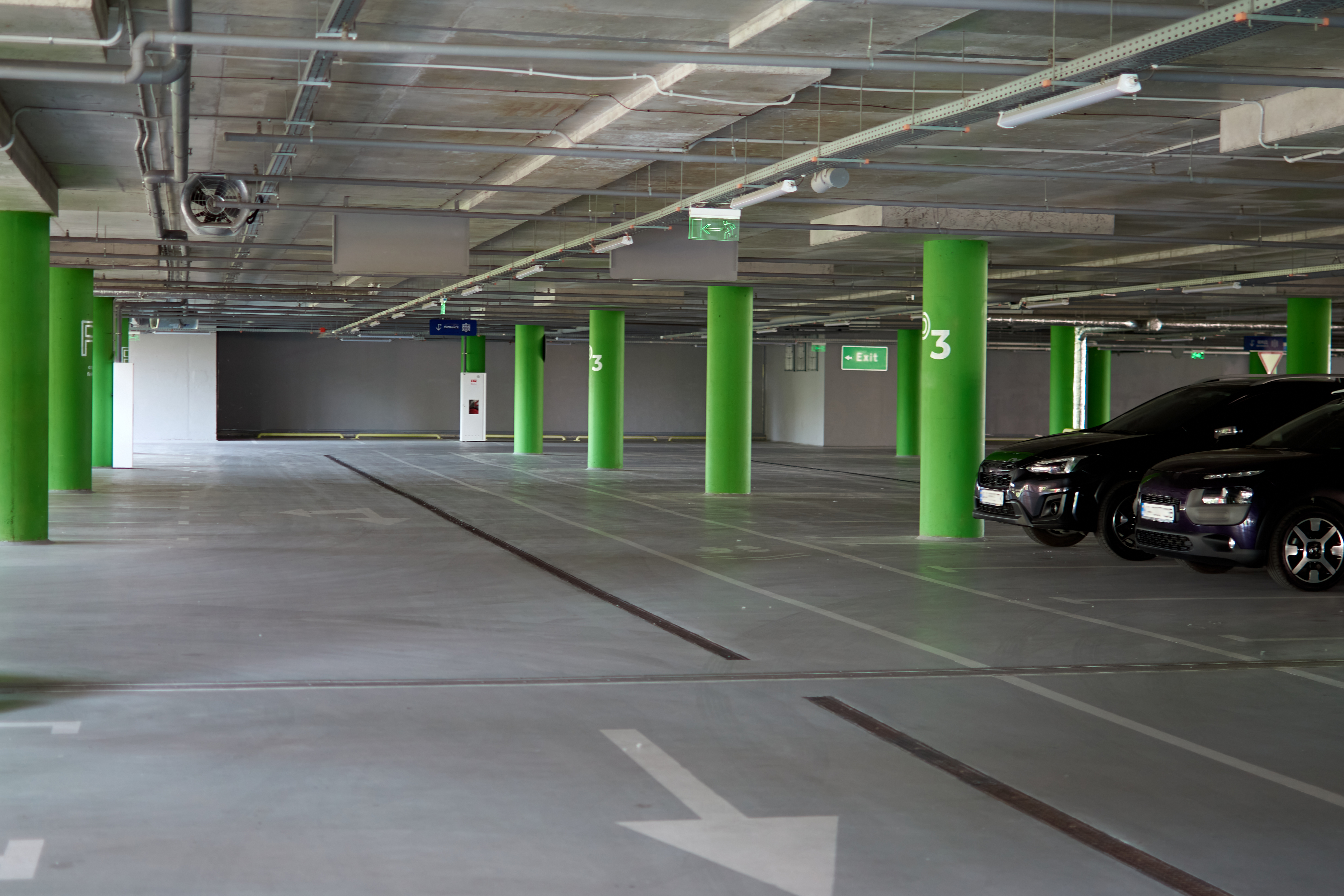
Many Cedar Park households have more vehicles than ever before. Between daily drivers, teen vehicles, work trucks, boats, and RVs, driveways and garages can fill quickly. Without a clear plan, families often deal with blocked vehicles, crowded garages, and constant vehicle reshuffling. A smart parking plan helps multi-vehicle households stay organized, reduce stress, and make daily routines easier. With the right system in place, parking becomes predictable and efficient instead of frustrating. This guide outlines a practical approach to building a parking plan that works long-term.
Understanding Where Parking Problems Start
Driveway Congestion
Driveways often become crowded because vehicles are parked wherever space is available instead of according to a plan. Common problems include:
- Vehicles parked in ways that block garage doors
- Drivers needing to move cars before leaving
- Limited space for guests
- Tight maneuvering areas
These small inconveniences can slow down daily routines.
Garage Space Limitations
Many garages lose their parking function over time. Typical issues include:
- Storage bins covering the floor
- Workbenches reducing vehicle space
- Tools and equipment blocking walls
- Seasonal items taking over parking areas
When garages can’t be used for vehicles, driveway pressure increases.
Oversized Vehicle Challenges
Large vehicles require more space than standard cars. Examples include:
- RVs and travel trailers
- Boats and trailers
- Work trucks
- Extended-length vehicles
Oversized vehicles are often difficult to maneuver safely in residential areas.
Step One: Evaluate Your Current Parking Layout
The best parking plans start with accurate measurements and realistic expectations.
Map Available Parking Areas
Start by identifying usable space:
- Measure driveway length and width
- Confirm how many vehicles fit without blocking access
- Measure garage clearance and depth
- Identify safe street parking areas
- Consider turning space for larger vehicles
Knowing the true capacity prevents overcrowding.
List All Vehicles and Usage Patterns
Each vehicle has different needs. Consider:
- Daily commuter vehicles
- Teen drivers’ cars
- Weekend vehicles
- Seasonal vehicles such as boats or RVs
- Guest vehicles
Understanding usage patterns helps assign better parking spots.
Step Two: Assign Priority Parking Spaces
Consistent parking assignments reduce confusion.
Use the Garage for Primary Vehicles
Garages work best for frequently used vehicles. Benefits include:
- Protection from weather
- Faster morning departures
- Reduced driveway congestion
Keep garage access clear and predictable.
Organize Driveway Parking
Driveway organization should reduce vehicle movement. Helpful strategies include:
- Assigning fixed parking spots
- Parking vehicles in departure order
- Keeping turning areas open
- Allowing enough space for doors to open safely
Consistency makes daily parking easier.
Plan Street Parking Carefully
Street parking can support overflow needs. Best practices include:
- Using low-traffic areas
- Avoiding corners and intersections
- Following neighborhood rules
- Leaving clear visibility for drivers
Safe placement prevents problems with neighbors and traffic.
Step Three: Declutter to Recover Parking Space
Many households can gain parking space simply by reorganizing.
Remove Non-Vehicle Garage Items
Garages often contain items that don’t need floor space. Examples include:
- Holiday decorations
- Extra furniture
- Old equipment
- Rarely used tools
Relocating these items can free valuable parking space.
Create a Usable Garage Layout
Smart organization helps maintain vehicle access. Effective methods include:
- Installing wall shelving
- Using ceiling storage racks
- Keeping walkways clear
- Storing items vertically
Floor space should remain available for vehicles.
Step Four: Plan for Oversized Vehicles
Larger vehicles require special planning.
RVs, Boats, and Trailers
Oversized vehicles often exceed residential parking limits. Consider:
- Measuring actual parking space requirements
- Checking neighborhood restrictions
- Evaluating maneuvering space
- Considering safe storage options
Many households find that vehicle or boat storage near Cedar Park or Liberty Hill helps reduce driveway congestion while keeping larger vehicles accessible when needed.
Work Trucks and Larger Vehicles
Commercial or oversized vehicles require extra space. Planning tips include:
- Measuring vehicle length and width
- Ensuring safe turning paths
- Avoiding tight angles
- Keeping adequate clearance from structures
Proper planning reduces damage risks.
Step Five: Using Storage to Support Parking Plans
Off-site storage can simplify parking plans significantly.
Vehicles That Benefit Most from Storage
Some vehicles do not need daily access. Examples include:
- RVs used for occasional trips
- Boats used seasonally
- Utility trailers
- Project vehicles
Moving these vehicles off-site restores valuable space at home.
How Storage Reduces Daily Friction
Removing rarely used vehicles helps:
- Restore garage parking
- Reduce driveway crowding
- Simplify daily routines
- Improve vehicle access
Fewer obstacles make parking easier.
Step Six: Build a Daily Parking Routine
A consistent routine keeps the system working.
Morning Departure Planning
Simple planning helps avoid delays. Helpful habits include:
- Parking vehicles in departure order
- Keeping frequently used vehicles accessible
- Coordinating schedules among drivers
Planning reduces morning stress.
Evening Parking Reset
Resetting parking each evening maintains order. Important steps include:
- Returning vehicles to assigned spaces
- Keeping turning areas clear
- Preparing for next-day departures
Consistency prevents confusion.
Step Seven: Plan for Guests and Special Events
Temporary adjustments help avoid congestion.
Guest Parking Planning
Before visitors arrive:
- Identify available spaces
- Clear driveway areas if needed
- Keep access paths open
Preparation avoids last-minute reshuffling.
Holiday and Event Preparation
Large gatherings require extra planning. Helpful steps include:
- Moving rarely used vehicles temporarily
- Creating clear parking zones
- Planning arrival and departure flow
Organized parking keeps events running smoothly.
Step Eight: Long-Term Parking Efficiency Strategies
Parking needs change over time.
Seasonal Adjustments
Review your plan regularly. Examples include:
- Rotating seasonal vehicles
- Adjusting parking assignments
- Updating storage needs
Periodic updates keep the system working.
Household Communication
Clear communication prevents confusion. Helpful ideas include:
- Agreeing on parking assignments
- Coordinating schedules
- Updating the plan as vehicles change
Everyone should understand the system.
Common Parking Mistakes to Avoid
Avoid these common problems:
- Allowing garages to become permanent storage areas
- Parking oversized vehicles in tight spaces
- Changing parking spots constantly
- Ignoring long-term space needs
These habits create ongoing frustration.
Final Thoughts
For Cedar Park residents, a smart parking plan can transform crowded driveways into organized, predictable spaces. By evaluating available space, assigning consistent parking areas, and using storage when needed, multi-vehicle households can reduce daily stress and improve convenience.
Categories