

Burnet RV Owners: Interior Climate Prep Without Climate-Controlled Storage
Burnet RV Owners: Interior Climate Prep Without Climate-Controlled Storage
Habib Ahsan
February 23rd, 2026
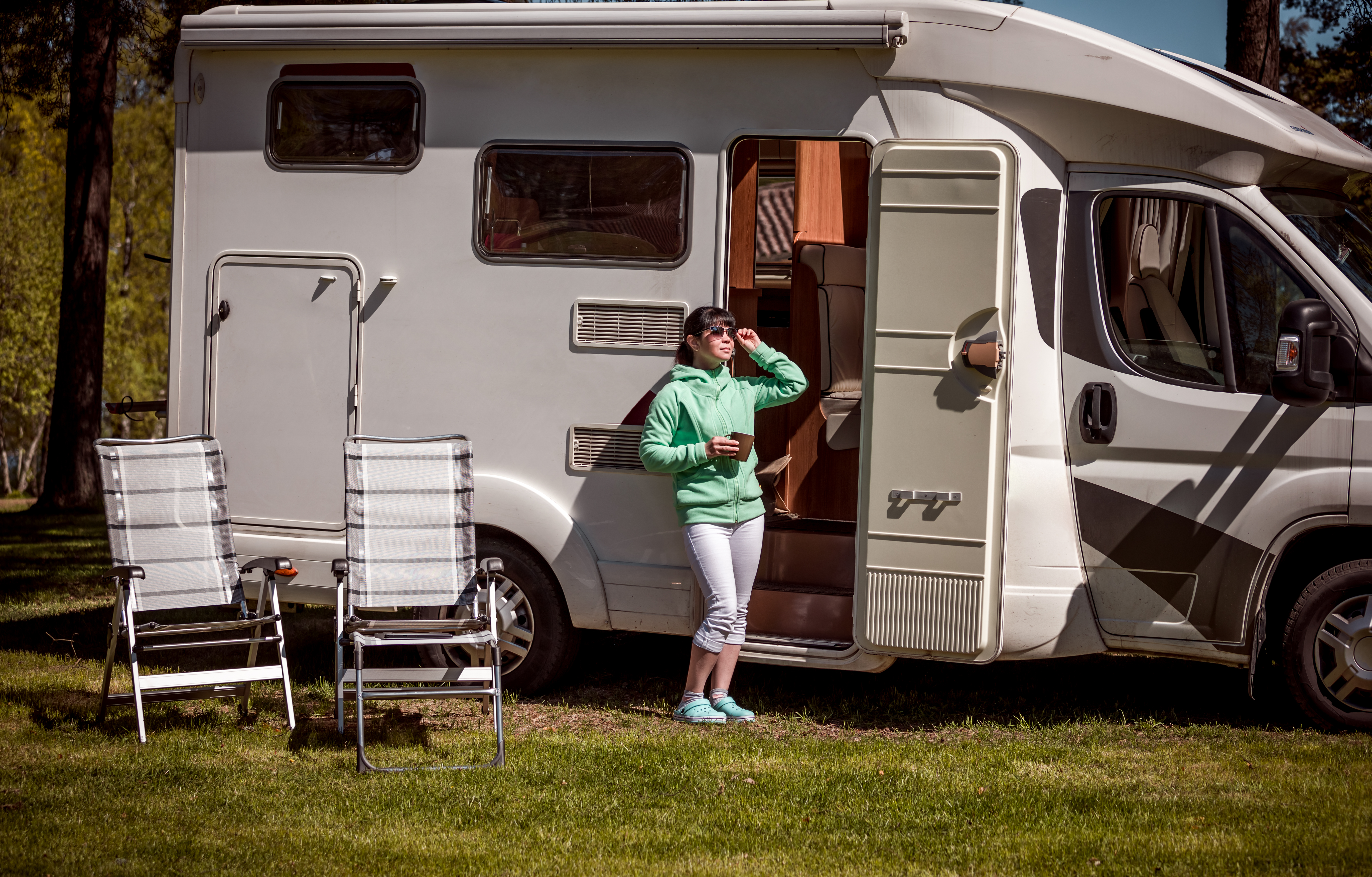
Many Burnet RV owners store their RVs in covered or open storage rather than climate-controlled units. While climate-controlled storage can help regulate temperature and humidity, most RV interiors can stay in excellent condition without it — if you prepare properly. Central Texas heat and humidity can damage RV interiors over time. Warped cabinets, cracked vinyl, mold, and electronics failures often happen when heat and moisture build up inside a parked RV. This guide explains how to protect your RV interior during storage using simple, practical steps.
Understanding Burnet’s RV Storage Climate
Heat Buildup Inside RVs
Even when outdoor temperatures feel moderate, RV interiors can become extremely hot. Heat affects:
- Upholstery and vinyl surfaces
- Dashboard materials
- Plastic fixtures
- Adhesives behind wall panels
Reducing heat buildup helps preserve the interior’s condition and appearance.
Humidity and Condensation
Temperature changes between day and night create moisture inside RVs. This moisture often collects:
- Inside cabinets
- On windows
- Under mattresses
- In storage compartments
Unchecked moisture leads to mold and odors.
Why Airflow Matters
When an RV is sealed tightly:
- Heat stays trapped inside
- Moisture cannot escape
- Mold develops faster
Controlled ventilation is one of the most effective ways to protect an RV interior.
Step 1: Remove Heat-Sensitive Items
Before placing your RV into storage, remove items that degrade in high temperatures.
Electronics and Batteries
Take out portable electronics such as:
- Tablets and laptops
- GPS devices
- Portable power packs
Extreme heat shortens battery life and can damage devices.
Items That Break Down in Heat
Remove:
- Candles and wax products
- Aerosol cans
- Medications
- Toiletries
- Thin plastic containers
These items can melt, leak, or warp in high temperatures.
Step 2: Create Safe Ventilation
Ventilation allows heat and moisture to escape.
Roof Vent Setup
- Use vent covers that allow airflow while blocking rain
- Leave vents slightly open
- Avoid sealing the RV completely
This helps reduce interior temperatures.
Window Ventilation
If conditions allow:
- Open windows slightly
- Make sure rain cannot enter
- Check window seals regularly
Even small openings improve airflow.
Improve Interior Air Movement
Inside the RV:
- Leave cabinet doors slightly open
- Lift mattresses slightly from platforms
- Avoid blocking walkways with storage items
Air needs room to circulate.
Step 3: Control Interior Moisture
Moisture control protects fabrics and wood surfaces.
Use Moisture Absorbers
Place moisture absorbers:
- Inside kitchen cabinets
- In closets
- Under sinks
- Near bathrooms
Check and replace them regularly.
Eliminate Hidden Moisture
Before storage:
- Dry sinks and showers completely
- Empty water lines if storing long-term
- Check for small plumbing leaks
Even small amounts of moisture can cause problems.
Step 4: Reduce Interior Heat Gain
Lower temperatures help protect interior materials.
Block Direct Sunlight
- Install reflective windshield covers
- Close blinds and shades
- Use insulated window inserts if available
Sunlight is a major heat source inside RVs.
Take Advantage of Shade
Covered storage helps:
- Reduce interior temperatures
- Limit sun exposure
- Protect upholstery and surfaces
If covered storage is available, it can make interior climate management much easier. Parking direction can also help. Facing the front of the RV away from the afternoon sun reduces heat buildup.
Step 5: Protect Upholstery and Soft Materials
Soft materials hold heat and moisture longer than hard surfaces.
Seats and Cushions
Before storage:
- Clean upholstery
- Allow fabrics to dry fully
- Use breathable covers if desired
Avoid plastic covers, which trap moisture.
Mattresses and Bedding
- Stand cushions upright if possible
- Lift mattresses slightly for airflow
- Rotate mattress position occasionally
These steps reduce moisture buildup underneath.
Step 6: Protect Interior Surfaces
Cabinets and Wood Surfaces
- Clean and dry surfaces before storage
- Avoid storing damp items
- Check corners for moisture
Dry surfaces last longer.
Countertops and Fixtures
- Remove heavy objects
- Clean thoroughly
- Inspect seal joints
Keeping surfaces clean prevents long-term wear.
Step 7: Perform Periodic Interior Checks
Regular checks prevent surprises.
Monthly Quick Check
Spend a few minutes each month:
- Check for odors or dampness
- Inspect moisture absorbers
- Confirm vents remain open
Small issues are easier to fix early.
Seasonal Inspection
At least once per season:
- Inspect upholstery condition
- Check cabinets and joints
- Look for early mold spots
Early detection prevents repairs.
Common Interior Storage Mistakes
Burnet RV owners often make these mistakes:
- Sealing the RV airtight
- Leaving moisture sources inside
- Storing electronics long-term
- Skipping ventilation
- Ignoring monthly checks
Most interior damage happens slowly and goes unnoticed.
Final Thoughts
Climate-controlled storage can be helpful, but it isn’t required to protect your RV interior. For Burnet RV owners, proper ventilation, moisture control, and heat reduction are the keys to keeping interiors in good condition.
Categories