

Bulverde Boat Trailers: Best Practices for Tire + Hitch Protection
Bulverde Boat Trailers: Best Practices for Tire + Hitch Protection
Habib Ahsan
February 4th, 2026
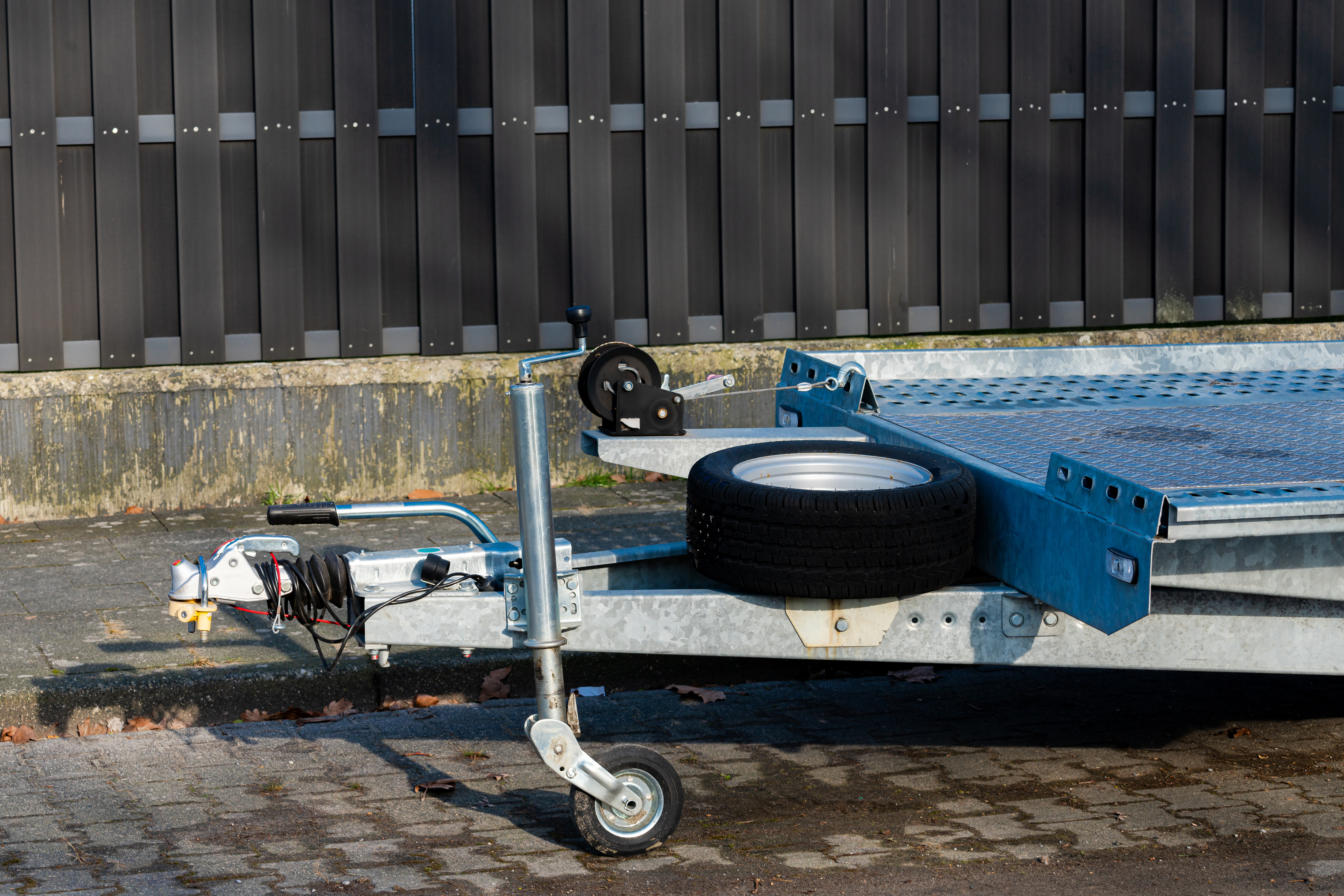
For many Bulverde boat owners, the trailer gets less attention than the boat—but it shouldn’t. Trailer tire and hitch problems are among the most common reasons trips to Canyon Lake get delayed or canceled. The good news: a few simple storage habits can keep your trailer safe, reliable, and ready for the next launch.
Why Trailer Protection Matters During Storage
Trailers often sit unused for weeks or months. During that time:
- Tires carry constant weight in one position
- Hitch components collect moisture and dust
- Sun exposure dries rubber and metal surfaces
Most trailer problems don’t appear while parked—they show up when you start towing again.
Tire Protection: Start With the Basics
Trailer tires support heavy loads and are more sensitive to storage conditions than vehicle tires.
Inflate Tires Before Parking
- Set pressure to manufacturer-recommended PSI
- Avoid storing with partially deflated tires
- Check pressure monthly during long-term storage
Proper inflation prevents sidewall stress and uneven wear.
Prevent Flat Spots
When a trailer sits too long:
- Weight presses on one section of the tire
- Rubber can flatten slightly over time
To reduce this risk:
- Move the trailer a few inches every month
- Park on a level, solid surface
- Avoid long-term parking on hot asphalt
Protect Tires From Sun Exposure
Texas sun can damage trailer tires even when they look new. Simple protection steps:
- Use tire covers
- Store in shaded or covered areas
- Inspect sidewalls regularly for cracks
UV damage is one of the leading causes of trailer tire failure.
Hitch Protection: Small Maintenance, Big Safety Impact
The hitch system connects your vehicle to your boat. If it fails, towing becomes unsafe.
Coupler Maintenance
Before storage:
- Clean dirt from the coupler
- Apply lubricant to moving parts
- Confirm the locking mechanism works smoothly
Dry or dirty couplers can stick or fail to lock properly.
Trailer Jack and Tongue Care
- Grease the jack post and wheel assembly
- Check for rust or stiffness
- Ensure smooth raising and lowering
The jack is often exposed to moisture and dirt during storage.
Safety Chains and Hardware
- Inspect chains for corrosion
- Make sure links move freely
- Check mounting bolts and brackets
These components are critical backups during towing.
Preventing Hitch Corrosion During Storage
Moisture tends to collect around trailer tongues. To reduce corrosion:
- Store on concrete or gravel instead of soil
- Apply protective lubricant to metal parts
- Keep hitch components clean and dry
A dry storage surface makes a big difference.
Why Storage Environment Matters
Where your trailer sits affects how quickly tires and hitch components age.
Open Storage
- More UV exposure
- Higher moisture exposure
- Dust buildup on moving parts
Covered Storage
- Slower tire aging
- Reduced rust risk
- Cleaner hitch components
- Easier inspections
Covered storage helps reduce maintenance needs over time.
Mid-Storage Checks That Prevent Problems
Don’t “set it and forget it.” Quick checks help catch issues early. Once a month:
- Check tire pressure
- Inspect hitch for rust
- Look for debris buildup
- Confirm jack operation
These inspections take only a few minutes.
Before Your First Tow After Storage
Before heading to the lake:
- Check tire pressure again
- Confirm hitch locks securely
- Inspect safety chains
- Test lights and wiring
- Verify jack operation
This quick routine prevents roadside surprises.
Common Trailer Storage Mistakes
Many boat owners accidentally shorten trailer life by:
- Storing with low tire pressure
- Leaving hitch components unlubricated
- Ignoring sun exposure
- Parking on uneven or soft ground
- Skipping inspections during storage
Avoiding these mistakes keeps trailers safer and more reliable.
Final Takeaway: Protect the Trailer That Protects Your Boat
Your trailer is safety equipment—not just transportation. Proper tire and hitch protection during storage:
- Reduces breakdown risk
- Improves towing safety
- Extends trailer lifespan
- Makes weekend launches smoother
Small maintenance habits during storage prevent big problems later.
Categories