

Bulverde Boat Owners: Galvanic Corrosion Prevention While Stored
Bulverde Boat Owners: Galvanic Corrosion Prevention While Stored
Habib Ahsan
February 23rd, 2026
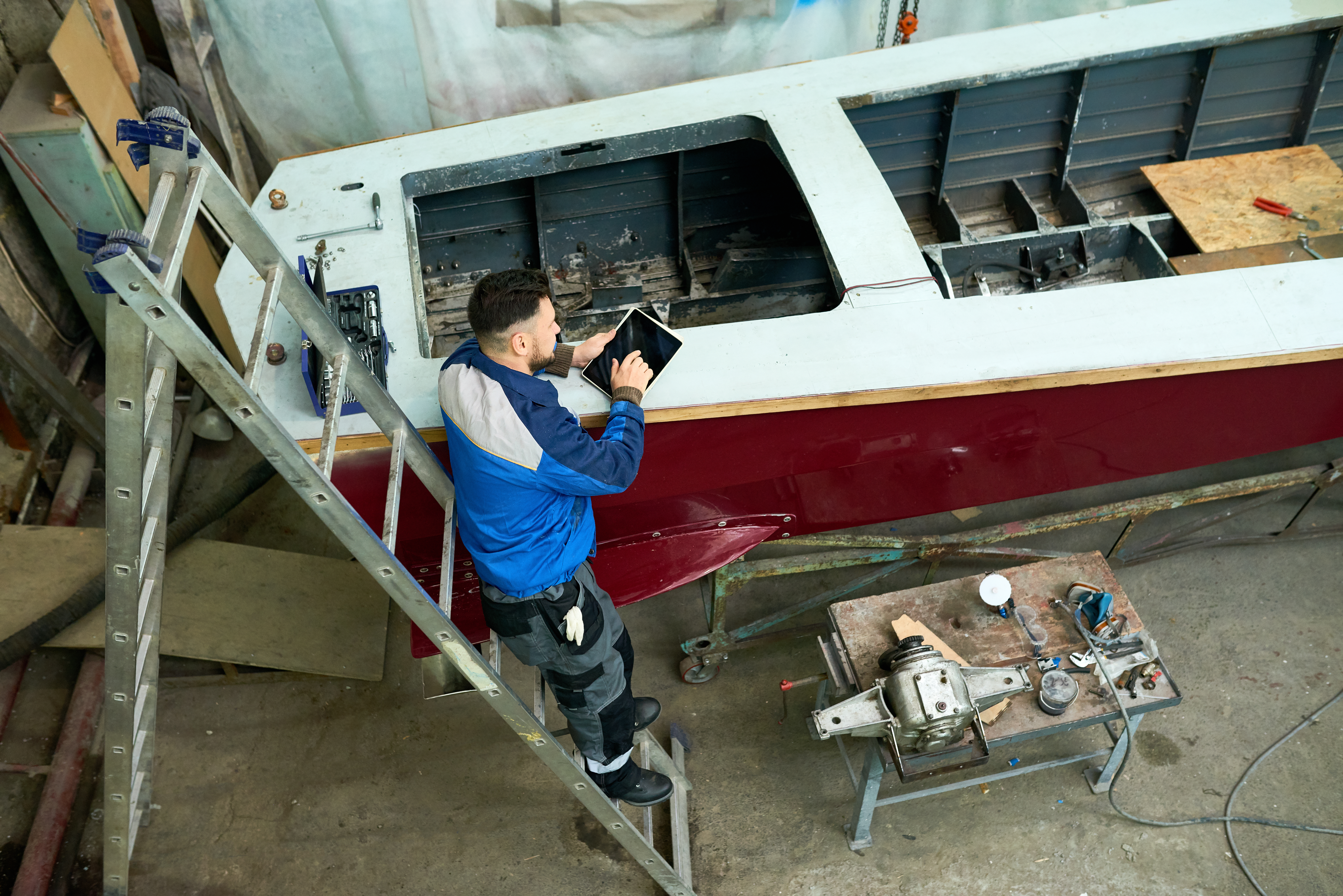
Many Bulverde boat owners assume corrosion only happens when the boat is in the water. In reality, galvanic corrosion and rust continue during storage, especially if moisture and mineral residue remain on metal parts. Proper storage habits can significantly extend the life of your boat, trailer, and electrical components. A few simple steps before and during storage can prevent expensive repairs later.
Corrosion Continues Even When Your Boat Is Parked
Galvanic corrosion happens when different metals interact in the presence of moisture. Boats and trailers contain many metal combinations, including:
- Aluminum hulls and stainless hardware
- Steel trailer frames and galvanized bolts
- Brass fittings and aluminum parts
Even small amounts of moisture allow corrosion to continue while the boat is stored. Storage conditions directly affect:
- Propellers and lower units
- Trailer hardware
- Electrical connectors
- Steering components
Why Storage Conditions Around Bulverde Increase Corrosion Risk
Canyon Lake Water Residue
After a day on Canyon Lake, mineral deposits remain on metal surfaces. These deposits trap moisture around:
- Propellers
- Lower units
- Trim components
- Trailer bolts and brackets
Without cleaning, corrosion continues between trips.
Temperature and Humidity Changes
Bulverde’s climate creates regular condensation.
- Warm days followed by cool nights create moisture
- Metal surfaces collect condensation easily
- Damp areas dry slowly in shaded spots
Even covered storage can experience condensation cycles.
Dust and Debris Hold Moisture
Hill Country dust and pollen trap moisture against metal surfaces. Common collection points include:
- Trailer frames
- Hitch assemblies
- Engine brackets
- Electrical connections
Over time, trapped debris increases corrosion risk.
Pre-Storage Cleaning Is the Most Important Step
Cleaning your boat and trailer before storage removes moisture and minerals that cause corrosion.
Rinse With Fresh Water
Rinse thoroughly:
- Propeller and lower unit
- Trailer frame and axles
- Bolts and brackets
- Steering and trim components
Pay extra attention to hidden areas where water collects.
Allow Proper Drying
Before parking:
- Let the boat air-dry completely
- Open compartments temporarily
- Wipe down standing water
Storing a wet boat increases corrosion significantly.
Protect Metal Components During Storage
Inspect Sacrificial Anodes
Check zinc or aluminum anodes:
- Replace if more than half worn
- Confirm mounting bolts are secure
Anodes help protect underwater metal parts even between trips.
Apply Protective Coatings
Use corrosion-prevention sprays on:
- Electrical connections
- Trailer bolts
- Steering components
- Hitch hardware
Light coatings create a barrier against moisture.
Trailer Corrosion Prevention
Trailers often corrode faster than boats because they stay exposed.
High-Risk Trailer Areas
Inspect regularly:
- Leaf springs
- Brake components
- Axle hardware
- Coupler assemblies
Early rust is easier to treat than advanced corrosion.
Choose the Right Storage Surface
Best surfaces include:
- Concrete
- Asphalt
- Gravel
Avoid:
- Grass
- Soil
- Mud
Ground moisture accelerates rust on trailer components.
Electrical Corrosion Prevention
Electrical parts are especially vulnerable to corrosion.
Areas to Protect
Check:
- Trailer plugs
- Battery terminals
- Ground connections
- Light wiring
Protection Steps
Before storage:
- Clean electrical contacts
- Apply protective grease
- Secure loose wiring
Clean connections reduce electrical problems later.
Covered vs Open Storage for Corrosion Prevention
Open Storage Risks
- Direct rain exposure
- More condensation cycles
- Faster rust development
- More debris buildup
Covered Storage Benefits
- Reduced moisture exposure
- Cleaner metal surfaces
- Slower corrosion development
- Easier inspections
Covered storage helps reduce long-term corrosion risk.
Monthly Storage Checks
Quick inspections help catch corrosion early. Once a month:
- Look for rust spots
- Check bolts and brackets
- Inspect electrical connections
- Remove debris buildup
Early detection prevents major repairs.
Common Corrosion Mistakes
Many boat owners accidentally accelerate corrosion by:
- Storing the boat without rinsing
- Parking while still wet
- Ignoring trailer hardware
- Skipping inspections
- Leaving dirt and debris on metal parts
Avoiding these mistakes protects both boat and trailer.
Long-Term Cost of Corrosion
Corrosion damage can lead to:
- Propeller replacement
- Trailer repairs
- Electrical failures
- Hardware replacement
- Reduced resale value
Preventive care costs far less than repairs.
Final Takeaway
Galvanic corrosion doesn’t stop when your boat leaves the water. Proper cleaning, drying, and storage habits help protect metal components and extend equipment life. For Bulverde boat owners, corrosion prevention starts with how you store your boat between trips.
Categories