

Boerne RV Storage: How Air Stations Prevent Flat Spots + Tire Damage
Boerne RV Storage: How Air Stations Prevent Flat Spots + Tire Damage
Habib Ahsan
February 20th, 2026
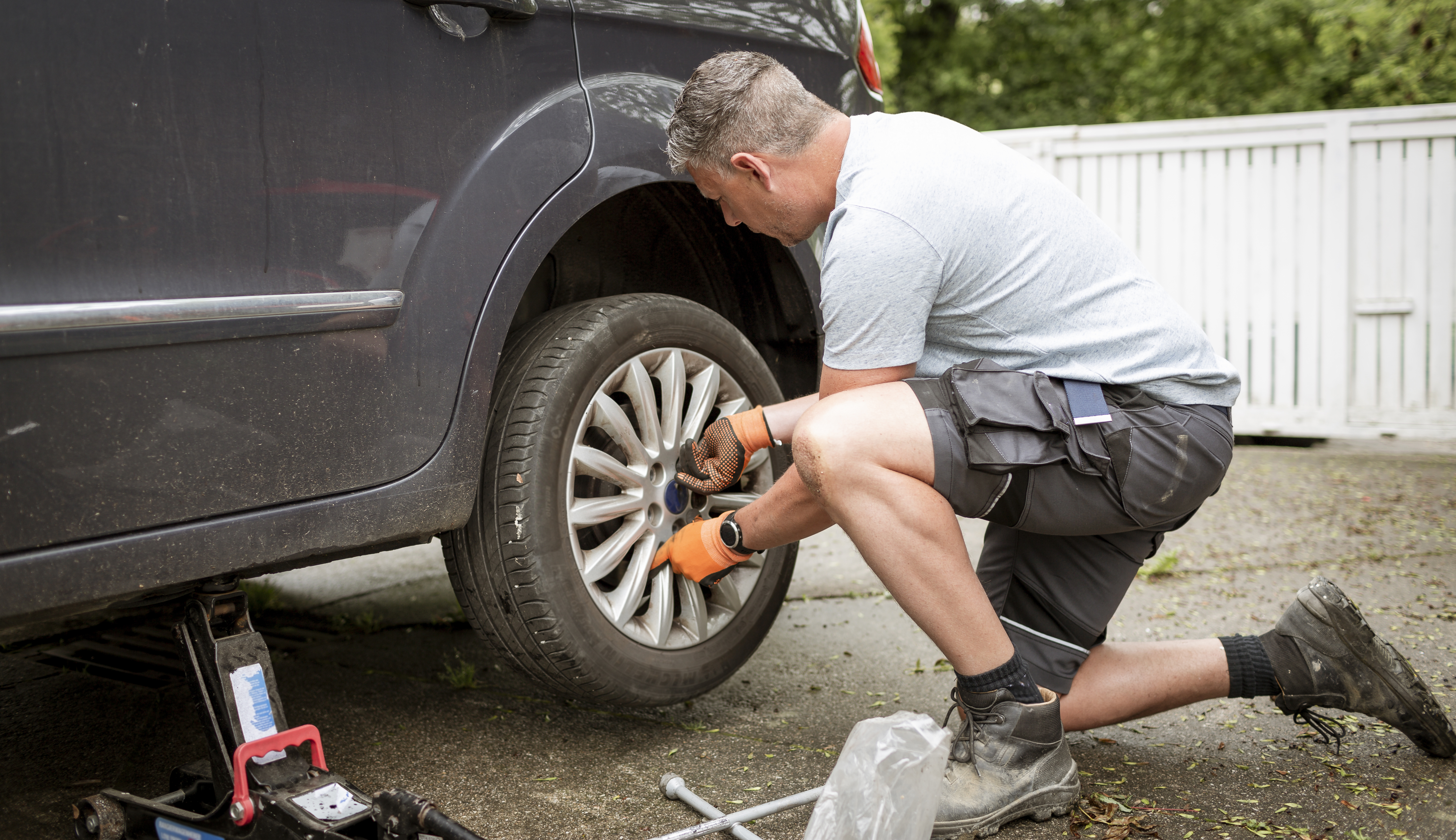
When an RV sits in storage, tire damage can happen quietly. Many Boerne RV owners focus on engine prep and interior care, but tires carry thousands of pounds while parked. Without proper inflation and regular checks, flat spots and sidewall damage can develop long before the next trip. One of the most effective ways to prevent this? Easy access to an on-site air station.
Tire Damage Happens While Parked
RV tires don’t only wear out on the highway. During storage, three main factors cause problems:
1. Constant Weight in One Position
- RVs place heavy, steady pressure on the same section of each tire
- Underinflated tires compress more than they should
- Extended compression leads to flat spots
2. Boerne Temperature Swings
- Hot days increase tire pressure
- Cooler nights reduce pressure
- Repeated temperature changes stress rubber
3. Natural Air Loss Over Time
- All tires slowly lose air
- RV tires lose noticeable PSI over 30–90 days
- Even small drops increase sidewall strain
These changes happen gradually and often go unnoticed.
Why Correct Tire Pressure Matters in Storage
Maintaining proper pressure protects the structure of the tire.
When Tires Are Underinflated
- Sidewalls flex more than designed
- Weight distribution becomes uneven
- Flat spots form more easily
- Internal damage can begin
When Tires Are Overinflated
- Reduced stability
- Increased center wear
- Less cushioning when returning to the road
The safest approach is following the manufacturer’s recommended PSI — not guessing by appearance.
How On-Site Air Stations Make a Difference
The biggest challenge with tire care during storage is consistency. If checking air is inconvenient, it often gets skipped.
Why Convenience Matters
- Easy access encourages monthly pressure checks
- No need to bring a home compressor
- No last-minute gas station stops before travel
Equipment Built for RV Tires
- Air systems capable of higher PSI ranges
- Reliable pressure gauges
- Space designed for large RV maneuvering
When air access is simple, maintenance becomes routine.
Recommended Tire Care Routine for Stored RVs
Before Parking
- Inflate tires to recommended PSI
- Inspect sidewalls for cracks
- Install tire covers if exposed to sun
During Storage (Monthly)
- Check pressure and adjust if needed
- Look for signs of uneven wear
- Slightly reposition RV if accessible
Before Travel
- Confirm pressure while tires are cool
- Inspect valve stems
- Perform a quick walk-around safety check
These small steps reduce long-term damage.
Why Boerne Climate Increases Tire Risk
Boerne’s conditions add extra stress:
- High summer pavement temperatures
- Direct sun exposure
- Seasonal humidity changes
- Rapid temperature shifts
These factors increase pressure fluctuation and accelerate rubber aging. Regular pressure checks become even more important in this climate.
The Financial Impact of Ignoring Tire Pressure
Skipping tire maintenance during storage can lead to:
- Early tire replacement
- Blowout damage to RV body panels
- Roadside assistance costs
- Delayed or canceled trips
Tires are one of the most expensive maintenance items on an RV. Preventive care is far less costly than replacement.
Storage Without Air vs With Air Access
Without On-Site Air
- Pressure checks get delayed
- PSI loss goes unnoticed
- Last-minute adjustments create stress
With On-Site Air
- Consistent pressure maintenance
- Reduced flat spot risk
- Faster departure readiness
- Longer tire lifespan
Easy air access supports better storage habits.
Additional Tire Protection Tips
- Park on a level surface
- Avoid storing directly on grass
- Use leveling blocks if needed
- Keep tires clean and dry
- Avoid long-term parking on hot asphalt
Good storage conditions work together with proper inflation.
Final Takeaway
Flat spots and tire damage are preventable. Proper inflation, regular checks, and convenient access to air help protect your RV during long-term parking. In Boerne’s climate, tire care isn’t optional — it’s part of responsible storage.
Categories