

Bertram Road Trip Prep: Storing RVs to Minimize Spring Startup Issues
Bertram Road Trip Prep: Storing RVs to Minimize Spring Startup Issues
Habib Ahsan
February 20th, 2026
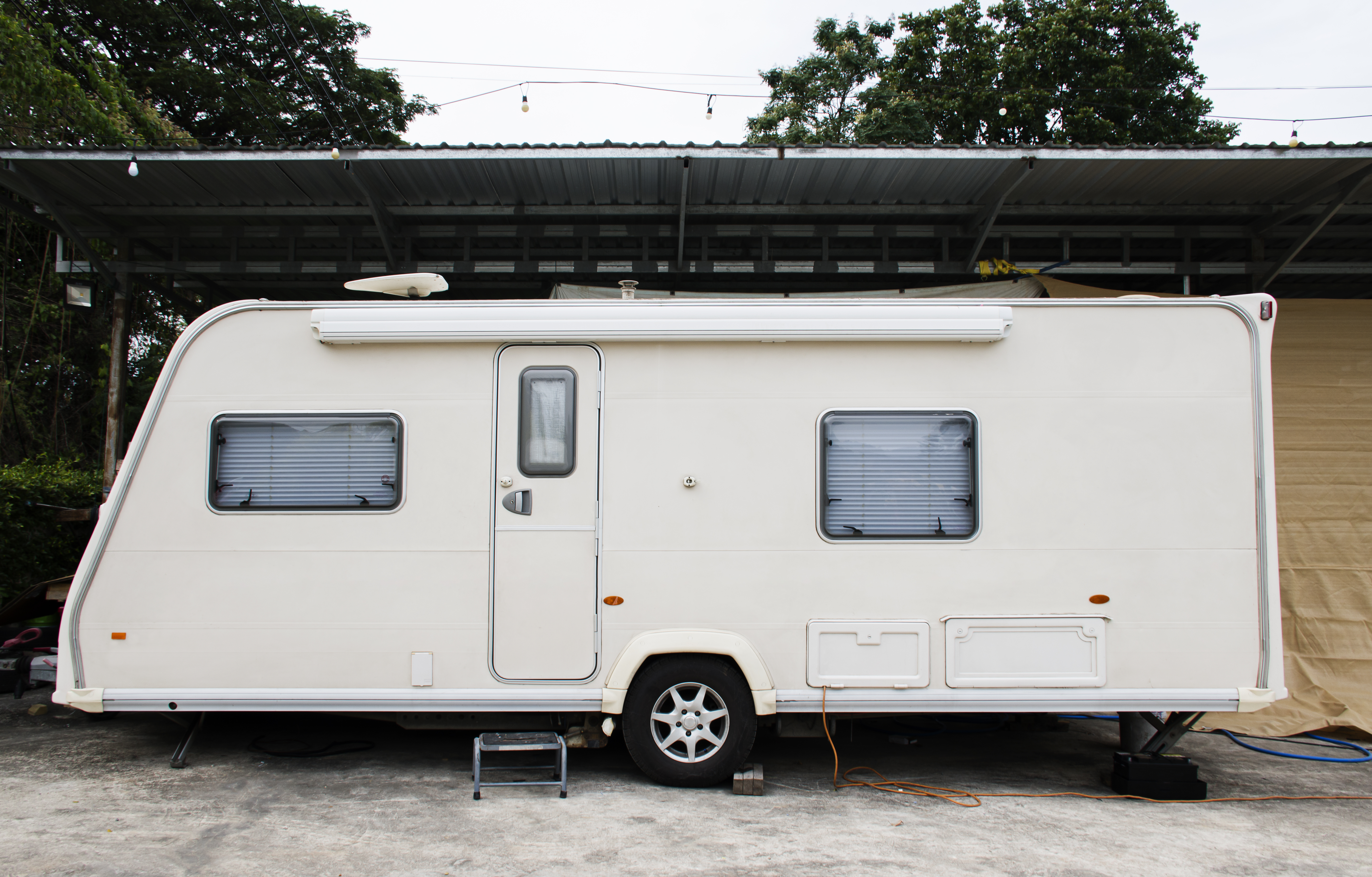
Nothing delays a spring road trip faster than discovering a dead battery, cracked seal, or tire issue the week you’re ready to travel. For Bertram RV owners, most spring startup problems aren’t surprises — they’re the result of how the RV was stored during the off-season. The good news: proper storage habits dramatically reduce repairs and keep your RV road-ready when warmer weather arrives.
Why Spring Startup Problems Happen
When an RV sits for months, several things naturally occur:
- Batteries slowly lose charge
- Tires carry constant weight
- Seals dry and shrink
- Moisture builds up inside
- Fuel degrades in motorhomes
These issues are preventable with the right preparation and storage setup.
Understand Bertram’s Storage Conditions
Even during cooler months, Central Texas brings:
- Strong UV exposure
- Temperature swings that create condensation
- Wind-driven dust
- Occasional storms
These environmental factors affect stored RVs more than many owners realize.
Step 1: Prepare the Interior Before Storage
Remove All Organic Materials
Before parking your RV for an extended period:
- Remove all food and drinks
- Empty trash bins
- Take out toiletries and scented products
This reduces pest attraction.
Deep Clean High-Risk Areas
Focus on:
- Refrigerator (leave slightly open after cleaning)
- Bathroom surfaces
- Sink drains and storage compartments
A clean RV is less likely to develop odors or mold.
Control Moisture
- Place moisture absorbers inside cabinets
- Leave interior doors slightly open
- Ensure all surfaces are fully dry
Moisture is one of the biggest causes of spring surprises.
Step 2: Protect Batteries and Electrical Systems
Battery Care
- Disconnect batteries during storage
- Use a battery maintainer if possible
- Clean terminals before storing
Dead batteries are one of the most common spring startup issues.
Solar Systems (If Installed)
- Confirm panels are clean
- Check that charging systems are functioning properly
Step 3: Prevent Tire and Suspension Issues
Tire Protection
- Inflate tires to recommended pressure
- Install tire covers
- Park on paved or stable surfaces
Flat spots and cracking reduce tire life quickly.
Weight Distribution
- Use leveling blocks if needed
- Avoid parking on uneven ground
This reduces strain on suspension components.
Step 4: Inspect Roof, Seals, and Exterior
Roof and Seam Check
Before storage:
- Inspect around vents and skylights
- Address small cracks immediately
- Remove debris from roof surfaces
Minor seal issues can become major leaks over time.
Seal Conditioning
- Inspect slide-out and window seals
- Apply protectant to prevent drying
Step 5: Engine and Generator Prep (Motorhomes)
Fuel Protection
- Add fuel stabilizer
- Run engine briefly to circulate treated fuel
System Check
- Check oil and coolant
- Inspect for visible leaks
Running systems properly before storage helps prevent startup problems.
Why Storage Location Matters
Where you store your RV plays a major role in spring readiness.
Driveway Parking
- Full sun exposure
- Higher storm risk
- Greater security concerns
Covered Storage
- Reduces UV damage
- Lowers surface temperature
- Helps protect tires and roof materials
Enclosed Storage
- Maximum protection from weather
- Reduced dust and debris
- Greater security during long storage periods
For extended off-season storage, covered or enclosed storage significantly reduces spring repair risks.
Perform Simple Monthly Check-Ins
Even during storage, plan quick monthly checks:
- Inspect tire pressure
- Check seals and roof condition
- Confirm battery status
- Look for moisture or pest signs
These inspections take minutes but prevent costly repairs.
Spring Startup Checklist
Before your first road trip:
Exterior
- Inspect tires and inflate if needed
- Check lights and signals
- Wash exterior and inspect seals
Interior
- Test appliances
- Run water systems
- Check for odors or moisture
Motorhomes
- Start engine and allow to reach operating temperature
- Run generator under load
- Watch for warning lights
Common Mistakes That Delay Spring Trips
Bertram RV owners often:
- Leave moisture inside
- Skip battery disconnection
- Ignore small seal cracks
- Store without tire protection
Most spring delays are preventable.
Final Thoughts
Stress-free spring road trips start months earlier with smart storage habits. For Bertram RV owners, combining proper preparation with covered or enclosed storage reduces wear, limits repair costs, and keeps your RV ready when travel season begins.
Categories