

Bergheim RV Storage: Covered vs Enclosed for Engine Health
Habib Ahsan
February 3rd, 2026
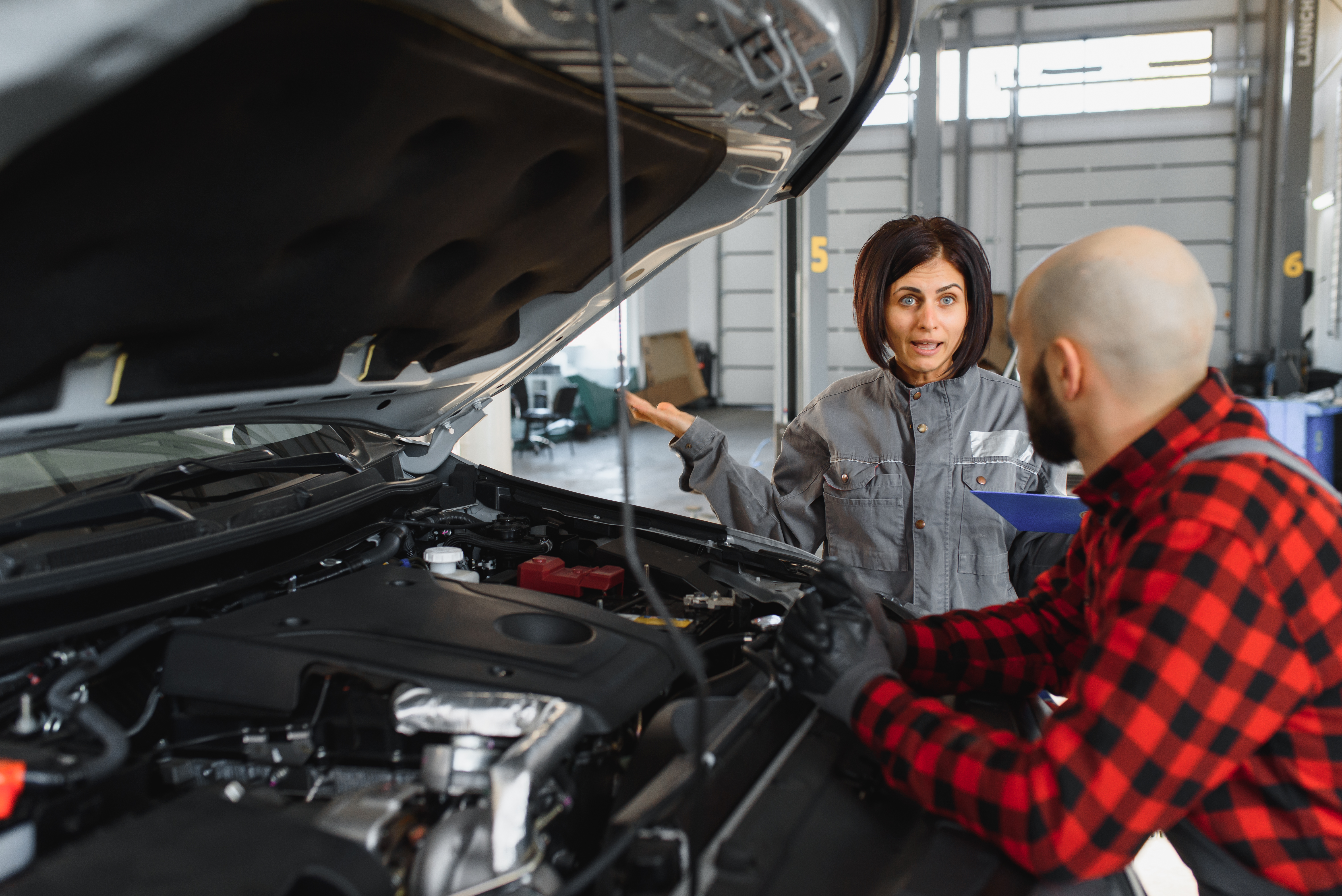
When RV owners in Bergheim, TX think about storage, the focus is often on paint, tires, or roof protection. But one of the most important areas affected by storage choice is the engine. Engines age even when they aren’t running, and the environment they sit in plays a major role in how well they perform when it’s time to hit the road again. This guide explains how covered and enclosed storage impact engine health, so you can choose the option that protects your RV long-term.
Why Engine Health Starts Before You Turn the Key
Engines don’t only wear out from driving. They also degrade from:
- Temperature swings
- Moisture buildup
- Dust and debris
- Long periods of inactivity
In the Hill Country, these factors can quietly cause problems that show up as hard starts, warning lights, or unexpected repairs after storage.
How Storage Conditions Affect RV Engines
Temperature Changes Stress Engine Components
- Hot days and cooler nights cause metal parts to expand and contract
- Repeated cycles weaken seals and gaskets
- Small gaps form, allowing moisture inside
Even without rain, temperature changes alone can impact engine parts over time.
Moisture Builds Up Without Warning
- Condensation forms inside engine compartments
- Moisture settles on metal surfaces and wiring
- Corrosion begins long before it’s visible
This happens whether the RV is driven or not.
What Covered Storage Does for Engine Health
Covered storage blocks direct sun and rainfall, which helps in several ways:
Benefits
- Lower engine bay temperatures
- Reduced UV damage to hoses and wiring
- Less heat stress on fluids
Limitations
- Humidity still reaches the engine
- Wind-blown dust and pollen can enter
- Moisture cycles continue with weather changes
Covered storage improves conditions, but the engine is still exposed to the environment.
What Enclosed Storage Does Differently
Enclosed storage adds another layer of protection that matters for engines.
Benefits
- Shields engine bay from moisture and dust
- Slows corrosion on metal components
- Reduces temperature swings
- Keeps wiring and connections cleaner
The engine sits in a more stable, controlled space, which slows aging.
Trade-Offs
- Higher monthly cost
- Requires basic prep (fuel stabilization, battery care)
For long-term storage, these trade-offs often pay off.
Engine Parts Most Affected by Storage Type
Belts, Hoses & Rubber
- Sun and heat dry out rubber faster
- Covered storage slows damage
- Enclosed storage preserves flexibility longer
Fuel System
- Moisture in fuel causes buildup and poor starts
- Ethanol fuel absorbs water over time
- Enclosed storage reduces condensation cycles
Electrical Components
- Moisture corrodes connectors and terminals
- Dust accelerates wear on wiring insulation
- Enclosed storage keeps systems cleaner and more reliable
Covered vs Enclosed: Real-World Engine Impact
Covered Storage
- Good protection from sun
- Moderate improvement in engine conditions
- Still exposed to humidity and dust
Enclosed Storage
- Best option for moisture control
- Cleaner engine environment
- Fewer corrosion-related issues
- Easier startups after long storage
The longer the RV sits, the bigger the difference becomes.
Storage Length Matters More Than RV Age
Short-Term Storage (Under 30 Days)
- Minimal difference
- Covered storage is usually enough
Mid-Term Storage (30–90 Days)
- Moisture and condensation begin to matter
- Enclosed storage offers clear advantages
Long-Term Storage (90+ Days)
- Engine health is strongly affected by environment
- Enclosed storage significantly reduces risk
Even newer RVs benefit from enclosed storage when parked long-term.
Bergheim Climate Factors That Affect Engines
- High humidity after rain
- Dust and pollen year-round
- Seasonal temperature swings
These conditions accelerate engine wear when protection is limited.
Cost vs Engine Longevity
Short-Term Savings
- Covered storage costs less monthly
Long-Term Costs
- Corroded connectors
- Hardened seals
- Fuel system cleaning
- Hard starts and warning lights
Enclosed storage often prevents these issues, reducing repair costs and downtime.
Best Practices No Matter Where You Store
- Use fuel stabilizer before parking
- Maintain batteries properly
- Check engine bay periodically
- Address small issues early
Storage works best when paired with basic maintenance.
Choosing the Right Storage for Your RV
Consider:
- How long your RV will be parked
- How often you travel
- Whether you plan to sell in the future
- How important easy starts and reliability are
For long-term ownership, engine protection matters as much as appearance.
Final Verdict: Which Storage Protects Engines Best?
- Covered storage helps reduce heat damage
- Enclosed storage offers the strongest protection for engine health
If your RV sits for months at a time, enclosed storage is the safer choice for long-term reliability.
Categories