

Bergheim Residents: The Real Cost of Driveway Parking (HOA + Damage Risk)
Habib Ahsan
January 26th, 2026
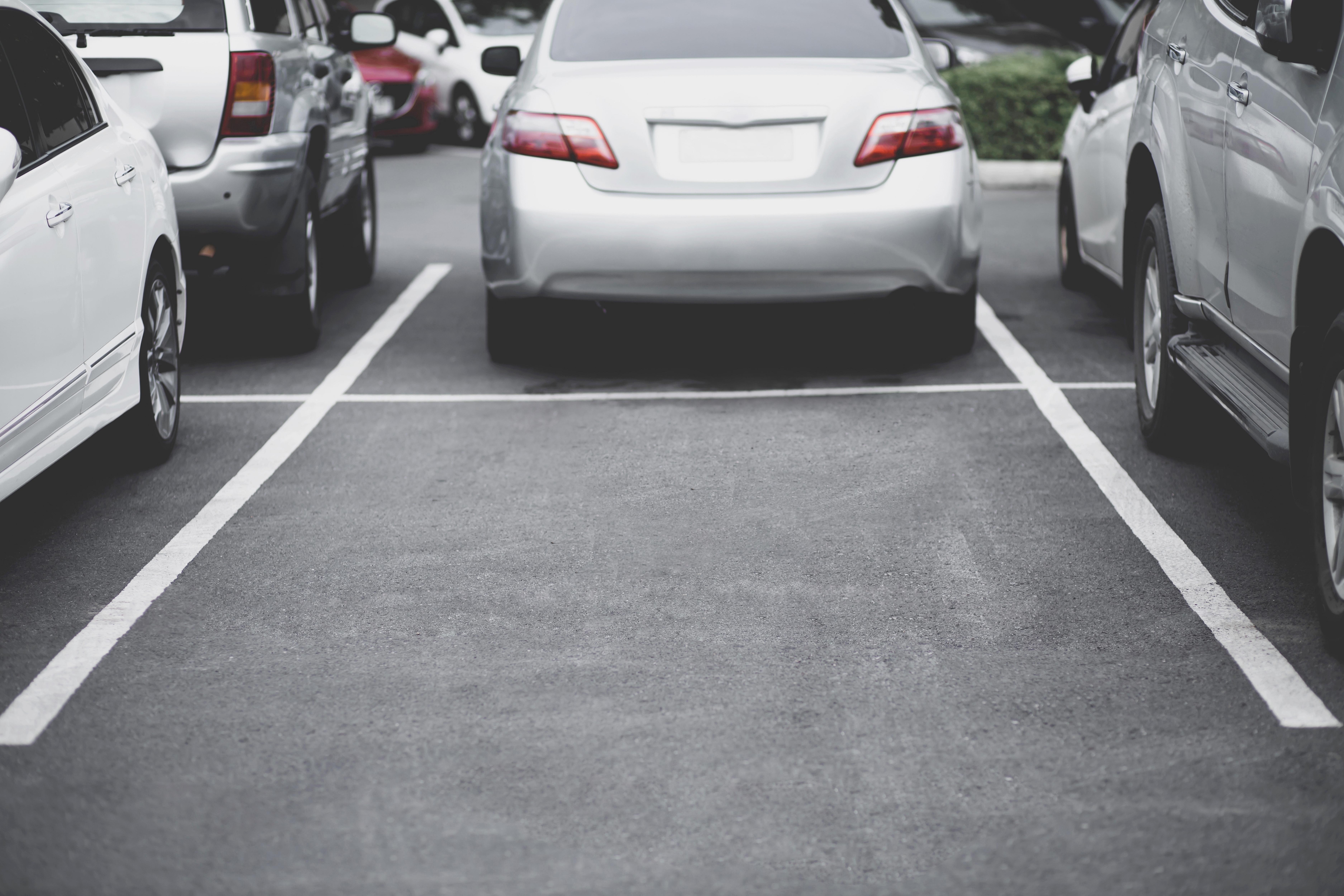
For many Bergheim homeowners, parking an RV, boat, or trailer in the driveway feels like the easiest and cheapest option. After all, the space is already there. But what looks “free” at first often becomes expensive over time—through HOA penalties, unexpected repairs, and reduced resale value. This article breaks down the real cost of driveway parking, so you can make an informed decision that protects both your vehicle and your property.
Why Driveway Parking Isn’t Really Free
Driveway parking shifts costs from a monthly storage fee to hidden risks. These risks don’t show up immediately, but they add up through fines, wear and tear, and future repair bills. Most owners only realize the true cost after problems start.
HOA Rules: The First Hidden Expense
Many Bergheim neighborhoods have HOA restrictions on large vehicles.
Common HOA Rules Homeowners Miss
- RVs, boats, and trailers allowed only 24–72 hours
- Vehicles cannot be visible from the street
- Street parking often prohibited altogether
- Repeated violations escalate quickly
What Happens When Rules Are Ignored
- Written warnings that become part of HOA records
- Daily or weekly fines that accumulate fast
- Mandatory removal notices
- Ongoing compliance issues that surface during home resale
HOA fines can easily exceed a year of professional storage costs.
How Driveway Parking Damages Your Vehicle
Your driveway isn’t designed to protect large vehicles.
Sun and Heat Exposure
- Direct Texas sun fades paint and decals
- Tires crack and harden faster
- Roof seals dry out, increasing leak risk
Moisture and Drainage Issues
- Sloped driveways cause water to pool near tires
- Leaves and debris trap moisture underneath
- Mold and corrosion develop unnoticed
These issues are gradual—but expensive to fix.
Safety and Liability Risks at Home
Higher Theft Risk
- Vehicles visible from the street attract attention
- Accessories, batteries, and catalytic converters are common targets
- Insurance may limit coverage for driveway-stored vehicles
Everyday Household Damage
- Lawn equipment throwing debris
- Kids’ bikes and sports gear causing scratches
- Guest vehicles backing into bumpers or ladders
Small accidents at home can lead to major repair costs.
Driveway Parking vs Storage: A Real Cost Comparison
Driveway Parking Costs
- HOA fines and warnings
- Faster tire, seal, and paint wear
- Higher repair frequency
- Stress from compliance issues
- Reduced resale value
Storage Costs
- Predictable monthly expense
- Protection from sun, weather, and debris
- Gated access and added security
- Fewer repairs and better resale condition
Storage turns unpredictable risk into controlled protection.
What Buyers Notice When You Sell
Buyers may not ask where you stored your vehicle—but they can tell.
Signs of Long-Term Driveway Storage
- Faded or uneven paint
- Cracked seals and dry rubber
- Musty interior smells
- Premature roof wear
These signals lead to lower offers and longer time on the market.
When Driveway Parking Makes Sense (Briefly)
Driveway parking works for:
- Short-term loading and unloading
- Pre-trip prep windows
- Emergency situations
It’s not designed for long-term storage.
Why Bergheim Residents Choose Nearby Storage Instead
Professional storage offers what driveways can’t:
- Covered or enclosed protection
- Space designed for RVs and boats
- Secure access
- Less neighborhood friction
Many residents choose storage nearby to stay compliant, reduce wear, and simplify ownership.
Final Cost Breakdown
Driveway parking often leads to:
- HOA penalties
- Higher maintenance costs
- Increased theft risk
- Lower resale value
Storage provides:
- Predictable costs
- Better protection
- Higher resale confidence
Final Verdict: The True Cost of “Free” Parking
Driveway parking trades short-term convenience for long-term expense. In Bergheim, professional storage is often the more economical—and less stressful—choice.
Think Long-Term
The best decision isn’t about where your vehicle sits today. It’s about how well it holds value tomorrow. Protecting your investment now prevents costly surprises later.
Categories